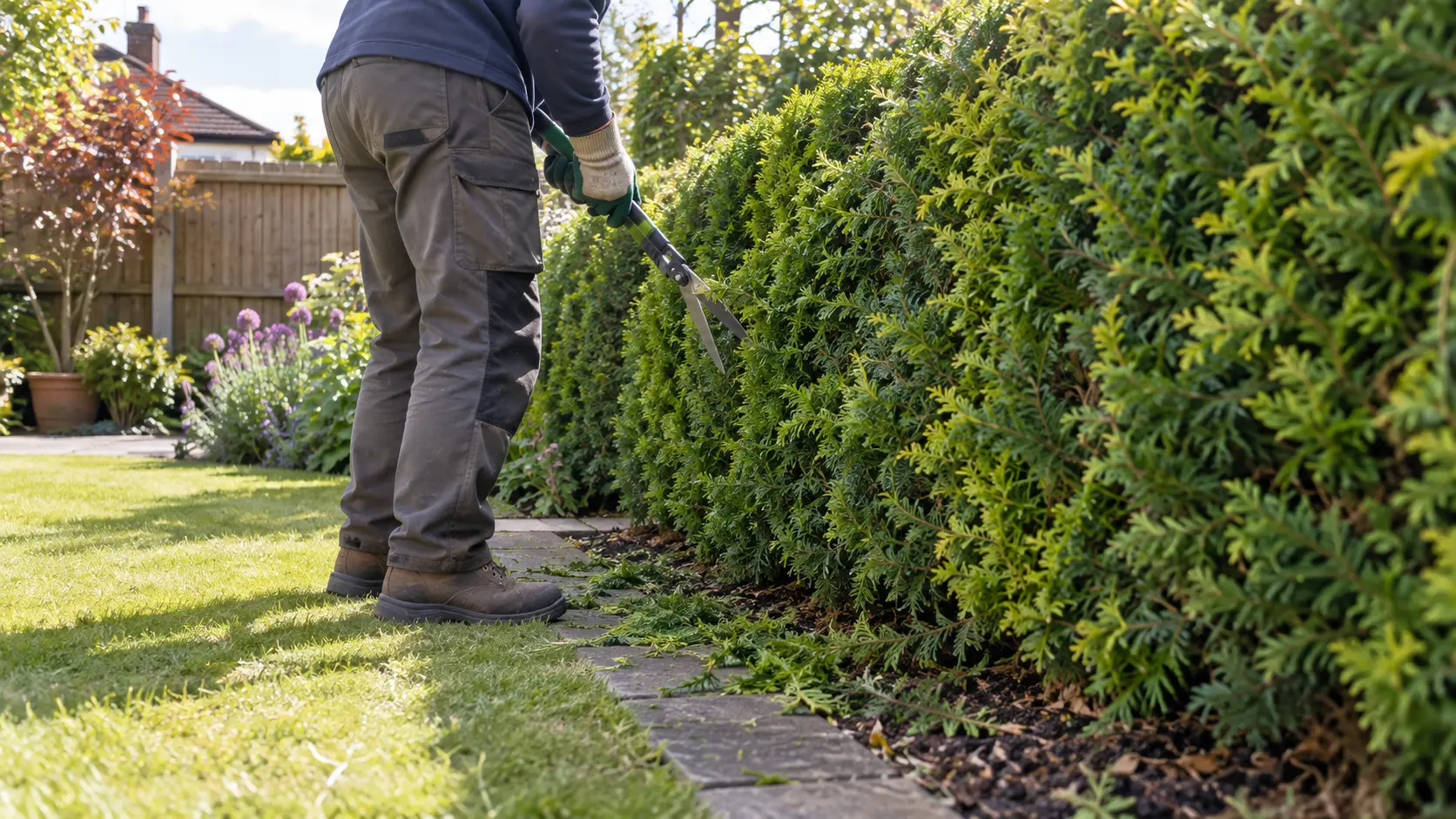


For most domestic hedges in the UK, the safest time for substantial cutting is between 1 September and the end of February. This avoids the main bird nesting season, although you should still inspect the hedge for active nests before starting.
A domestic garden hedge can sometimes be lightly trimmed during spring or summer, but it is illegal to intentionally damage or destroy an active wild bird’s nest. If birds are nesting in the hedge, cutting should be postponed until the nest is no longer in use.
Agricultural hedgerows covered by the hedgerow management rules in England must not normally be cut or trimmed between 1 March and 31 August. These particular restrictions do not generally apply to hedges forming the boundary of a private garden, although wildlife legislation still applies.
Quick answer: Plan major hedge cutting between September and February. Avoid disturbing hedges during spring and summer, inspect carefully for active nests at any time of year and postpone the work if you find one.
| Period | General recommendation |
|---|---|
| January–February | Usually suitable for substantial cutting and renovation, provided the plant tolerates winter pruning and the weather is appropriate |
| March–August | Avoid major cutting where possible because this overlaps with the main bird nesting season |
| September–October | A good period for general trimming after checking that no active nests remain |
| November–December | Suitable for many dormant-season jobs, but avoid working in severe frost or other damaging weather |
This is a general calendar. The right time also depends on the species, the condition of the hedge and whether you are performing a light trim or substantial renovation.
The best time to trim a hedge depends on what you want to achieve.
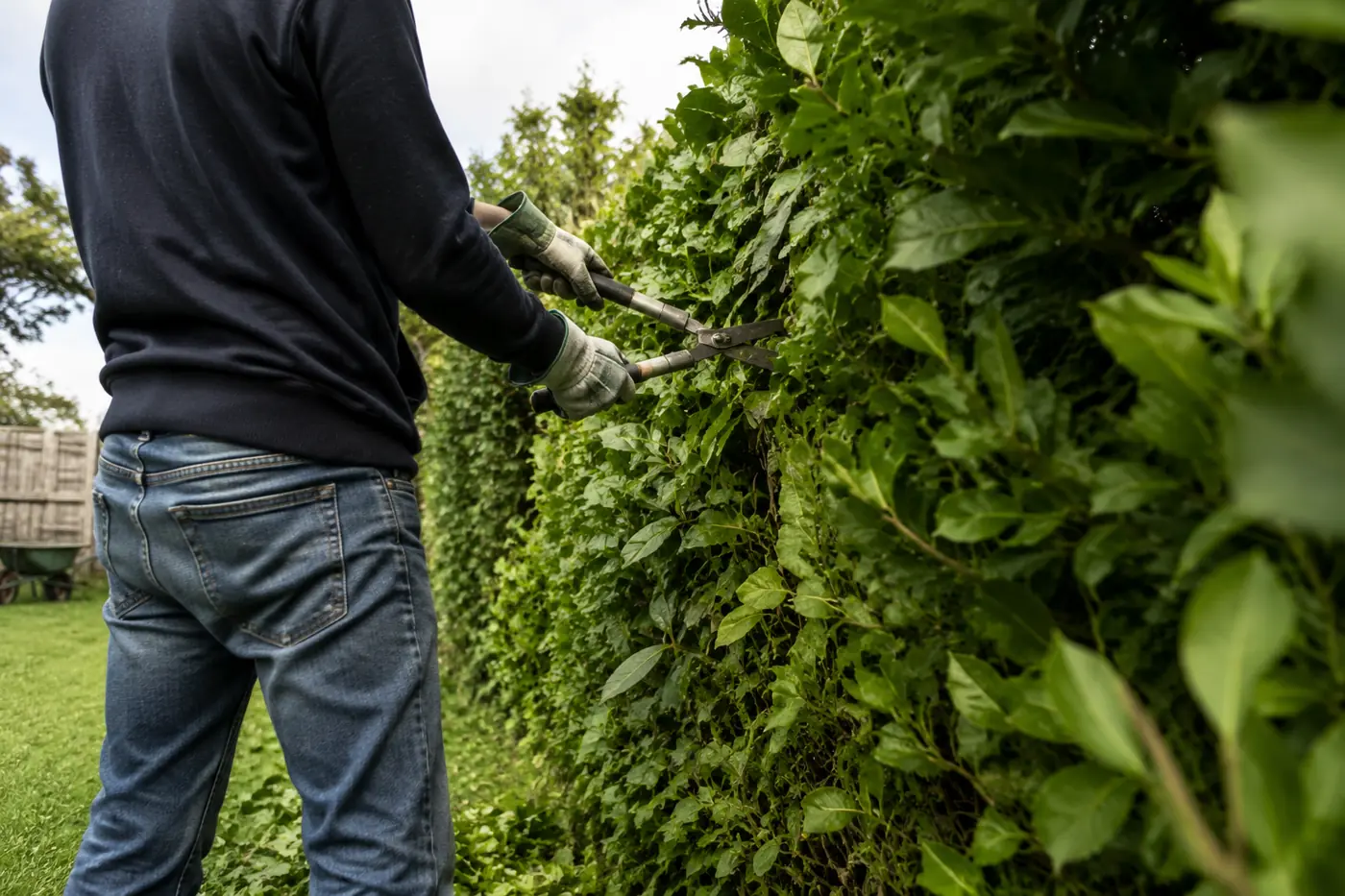
A light trim removes soft new growth and maintains the shape of an established hedge. Depending on the species, this may be carried out once or several times during the growing season—provided there are no active nests.
Hard pruning removes thicker branches, reduces the height or width considerably, or attempts to renovate an overgrown hedge. This work is usually better scheduled during the dormant period, although not every hedge responds well to being cut back into old wood.
The Royal Horticultural Society recommends checking hedges thoroughly for nesting birds before trimming. It also notes that many formal hedges require more frequent maintenance than informal ones.
The main bird nesting season in the UK generally runs from March to September, although individual birds can nest outside these dates.
There is therefore no single date on which every bird stops nesting. Weather, location and species all influence when nesting starts and finishes. An active nest remains protected even when it is found outside the commonly recognised nesting season.
The RSPB recommends completing hedge cutting between 1 September and 28 February where possible. It also advises checking carefully before cutting because some birds may still be nesting outside the usual period. You can read the RSPB’s guidance on birds, nests and the law.
Before cutting:
Do not move an occupied nest to another part of the hedge. Leave the surrounding vegetation undisturbed and return only when you are certain the nest is no longer active.
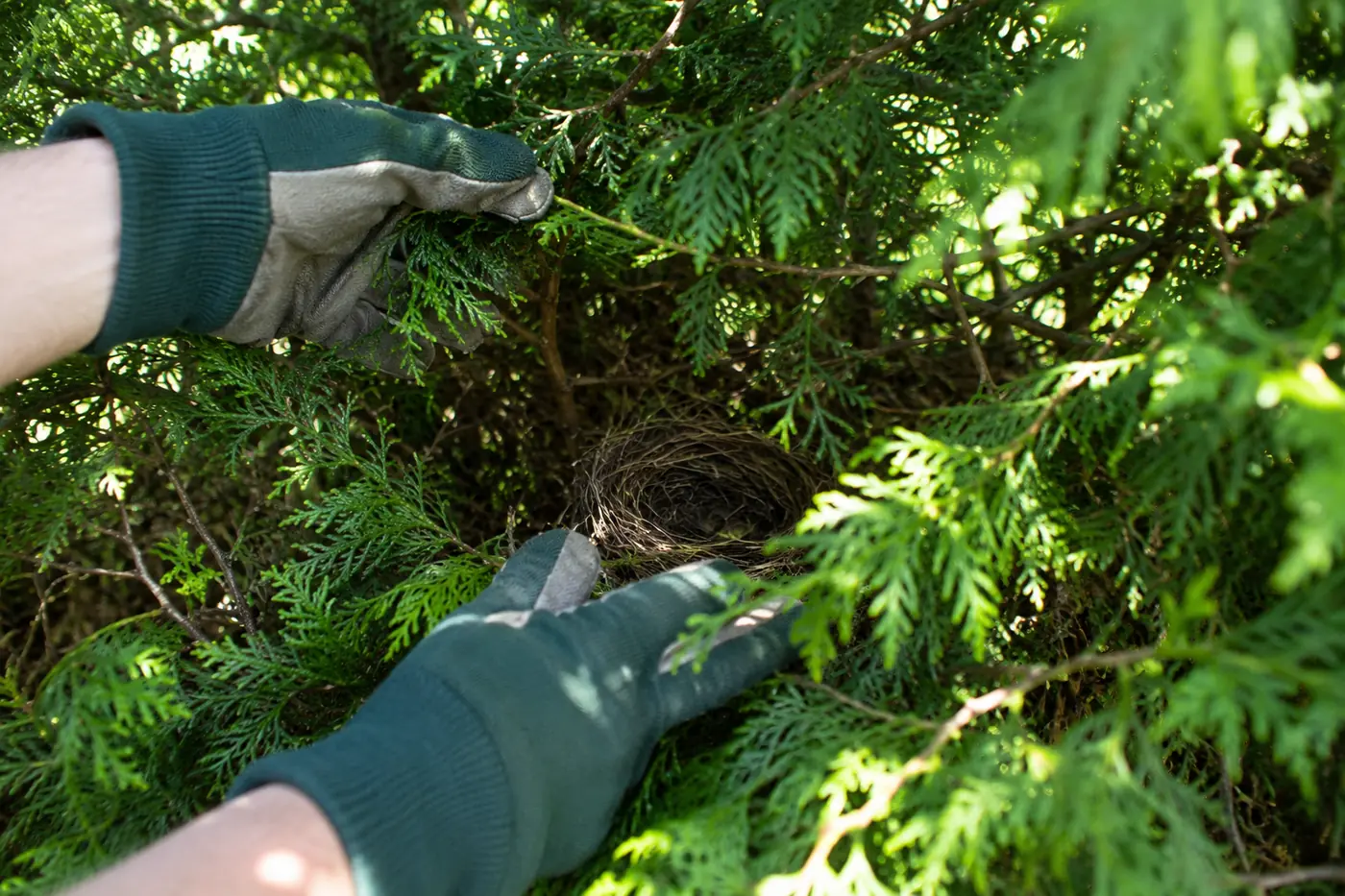
It is not automatically illegal for a householder to trim a domestic garden hedge between March and August. However, wild birds, their eggs and active nests are protected under the Wildlife and Countryside Act 1981.
Cutting becomes a legal concern if the work intentionally damages or destroys a nest that is being built or used. The safest approach is therefore to avoid unnecessary hedge cutting during the main nesting season.
Different rules apply to certain agricultural hedgerows in England. Under the current GOV.UK hedgerow management rules, covered agricultural hedges must not normally be cut between 1 March and 31 August, subject to exemptions. Private garden boundaries are excluded from those particular agricultural rules, but wildlife protection legislation still applies.
Different hedging plants respond to pruning in different ways. Always identify the plant before cutting it heavily.
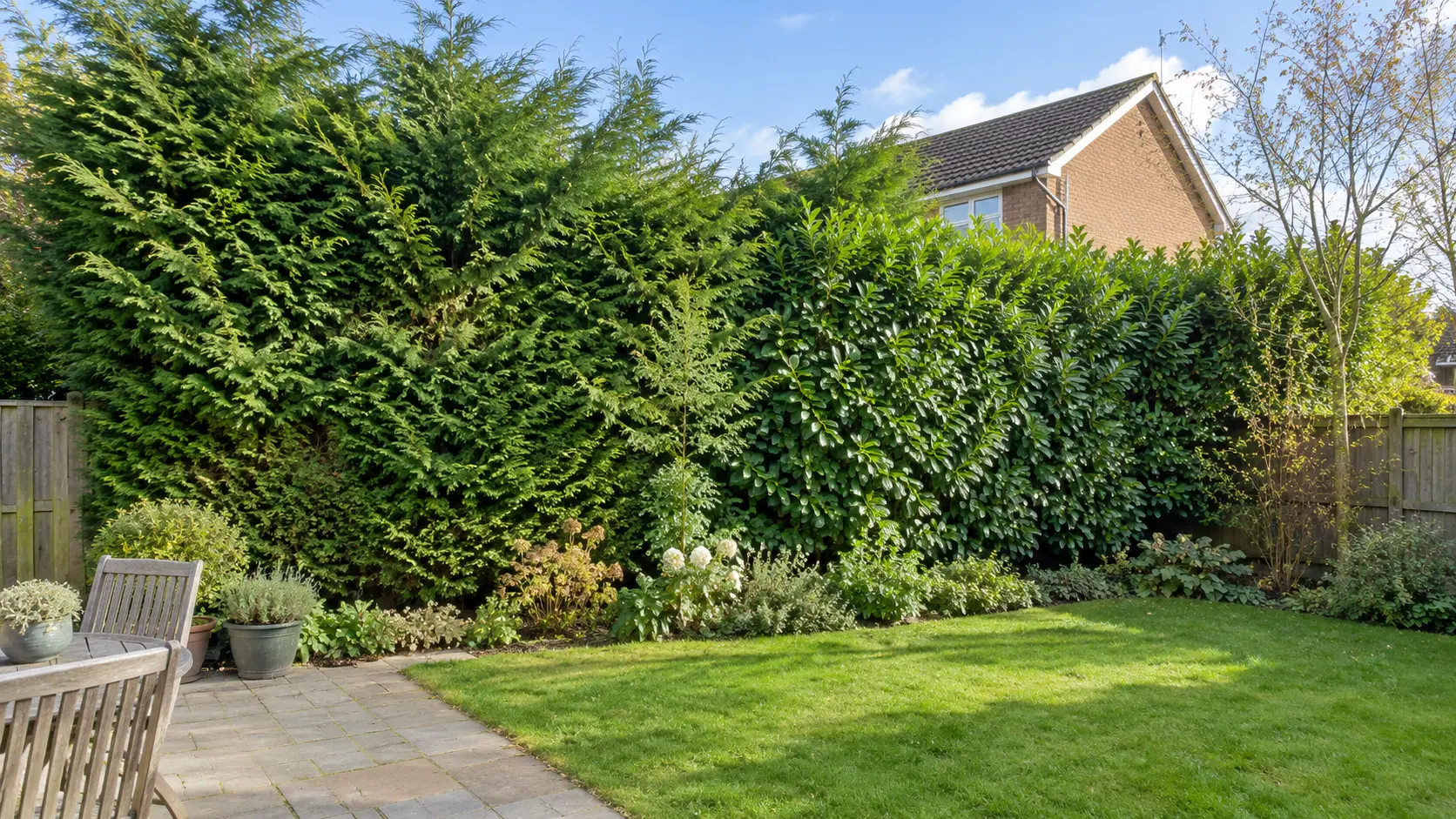
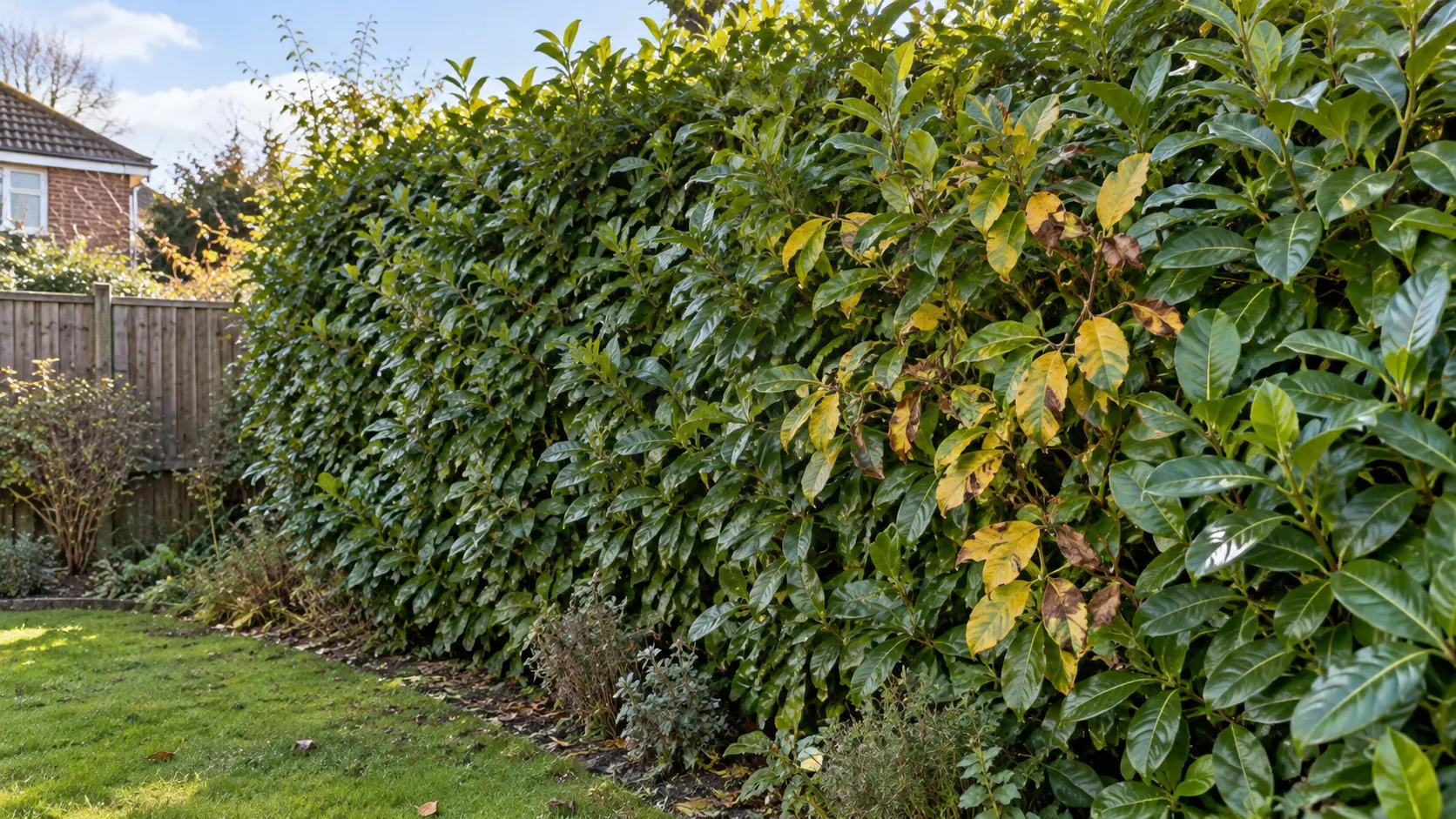
Cherry Laurel is commonly grown for dense evergreen screening. It can be trimmed to control its height and width, but its large leaves may look untidy when cut through with a powered hedge trimmer. Secateurs or loppers provide a cleaner finish where appearance matters.
Portuguese Laurel has smaller leaves and can be clipped into a more formal shape. Established plants may need one or two trims during the growing season, depending on the finish required.
Check both types carefully for nests because their evergreen foliage creates sheltered nesting habitat. For species-specific timings, tools, hard renovation and step-by-step instructions, read our complete guide to how and when to prune a Laurel hedge.
Leylandii hedging grows quickly and usually needs regular maintenance to prevent it becoming too tall or wide.
The RHS advises that Leylandii can receive up to three light cuts between April and the end of August, but only after checking for nesting birds. Do not cut into brown, leafless old wood because Leylandii will not normally produce new growth from these areas. See the RHS Leylandii pruning guide for further information.
If a Leylandii hedge needs substantial height reduction, take specialist advice before cutting. An excessively hard cut can leave permanent bare patches.
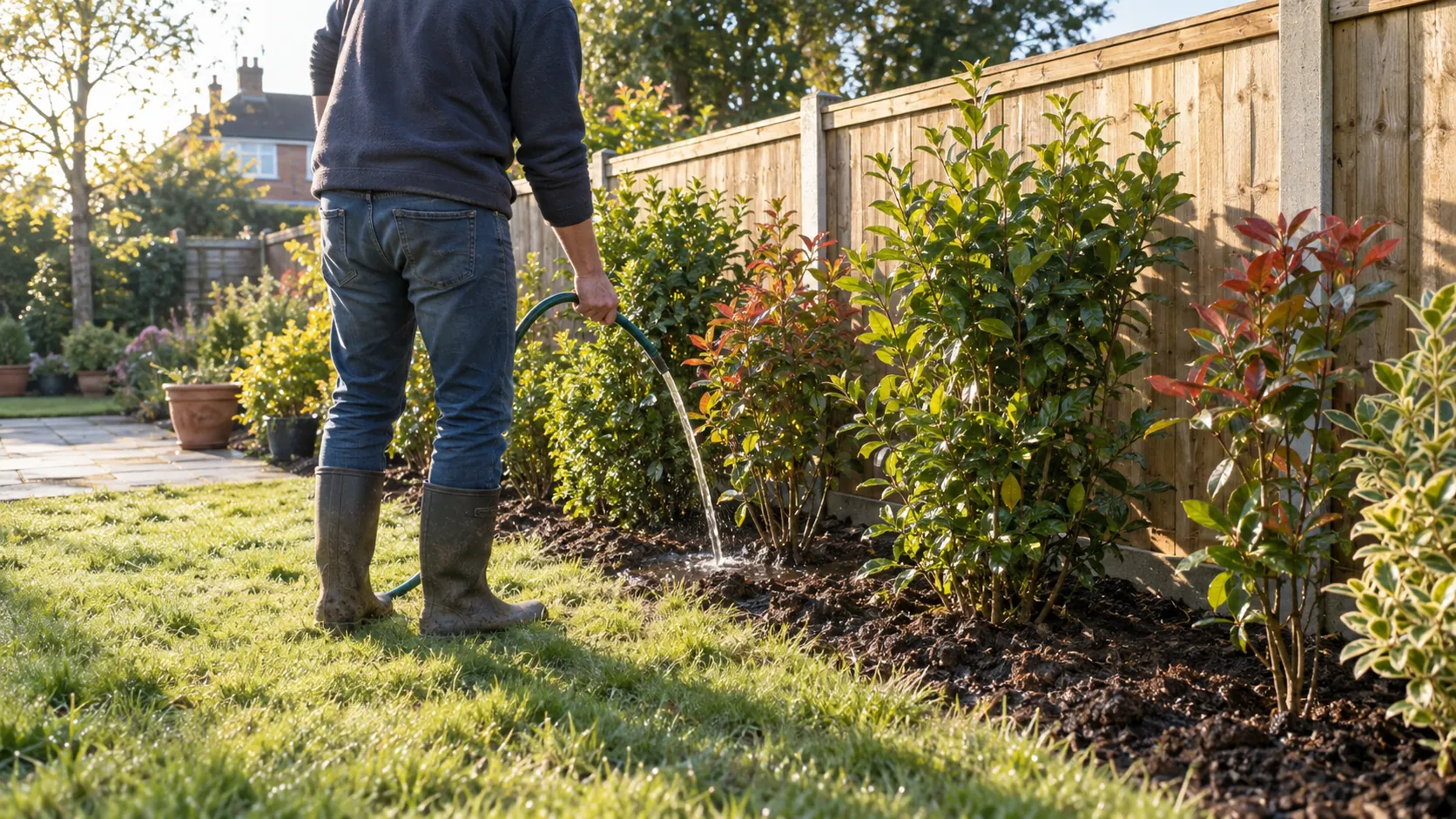
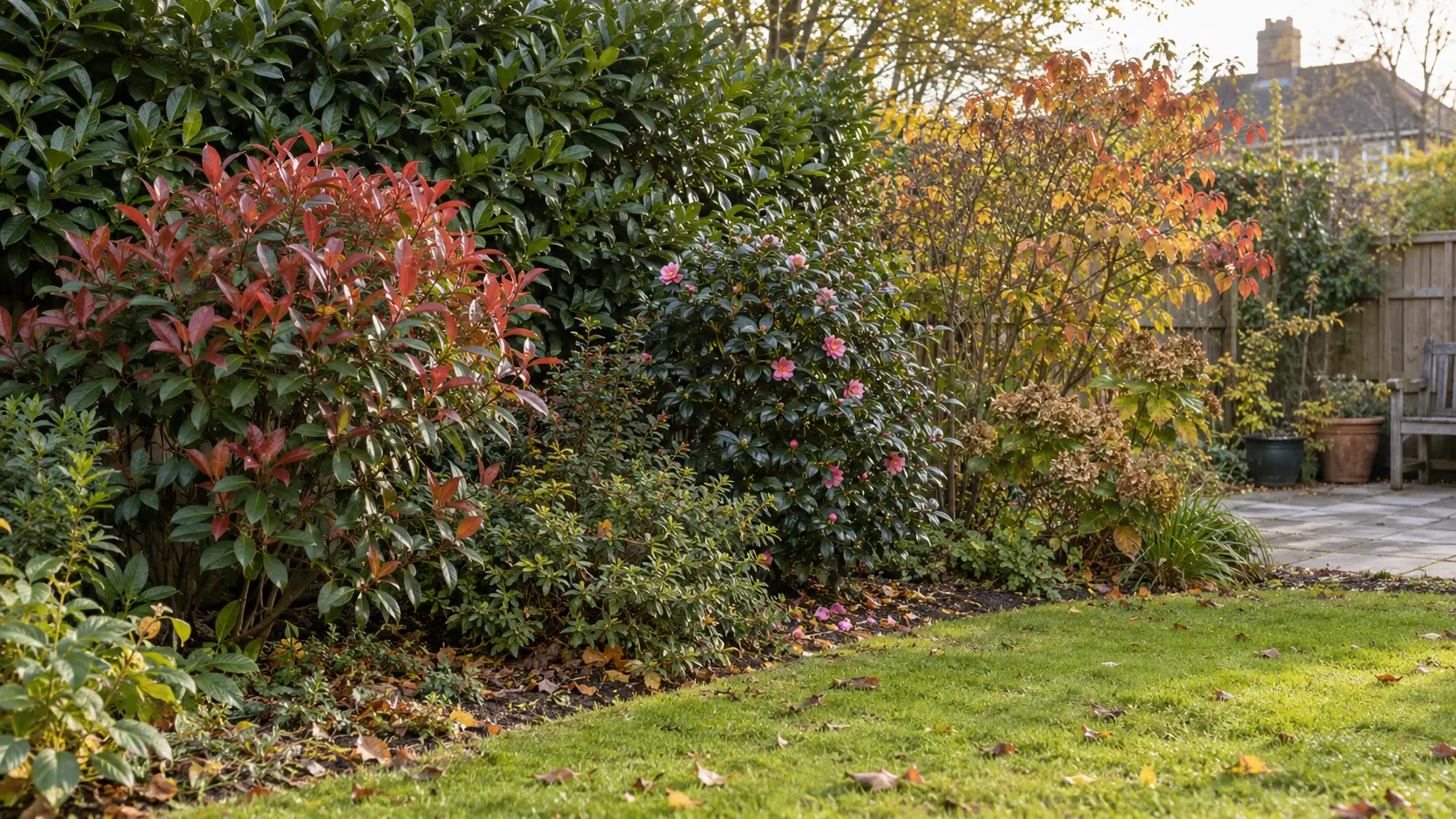
Photinia Red Robin is grown for its evergreen foliage and colourful red new growth. Light pruning after a flush of growth can encourage further young foliage and maintain a compact shape.
Avoid cutting automatically according to the calendar. Check the plant thoroughly for nests first, especially where several Photinia plants have formed a thick screen.
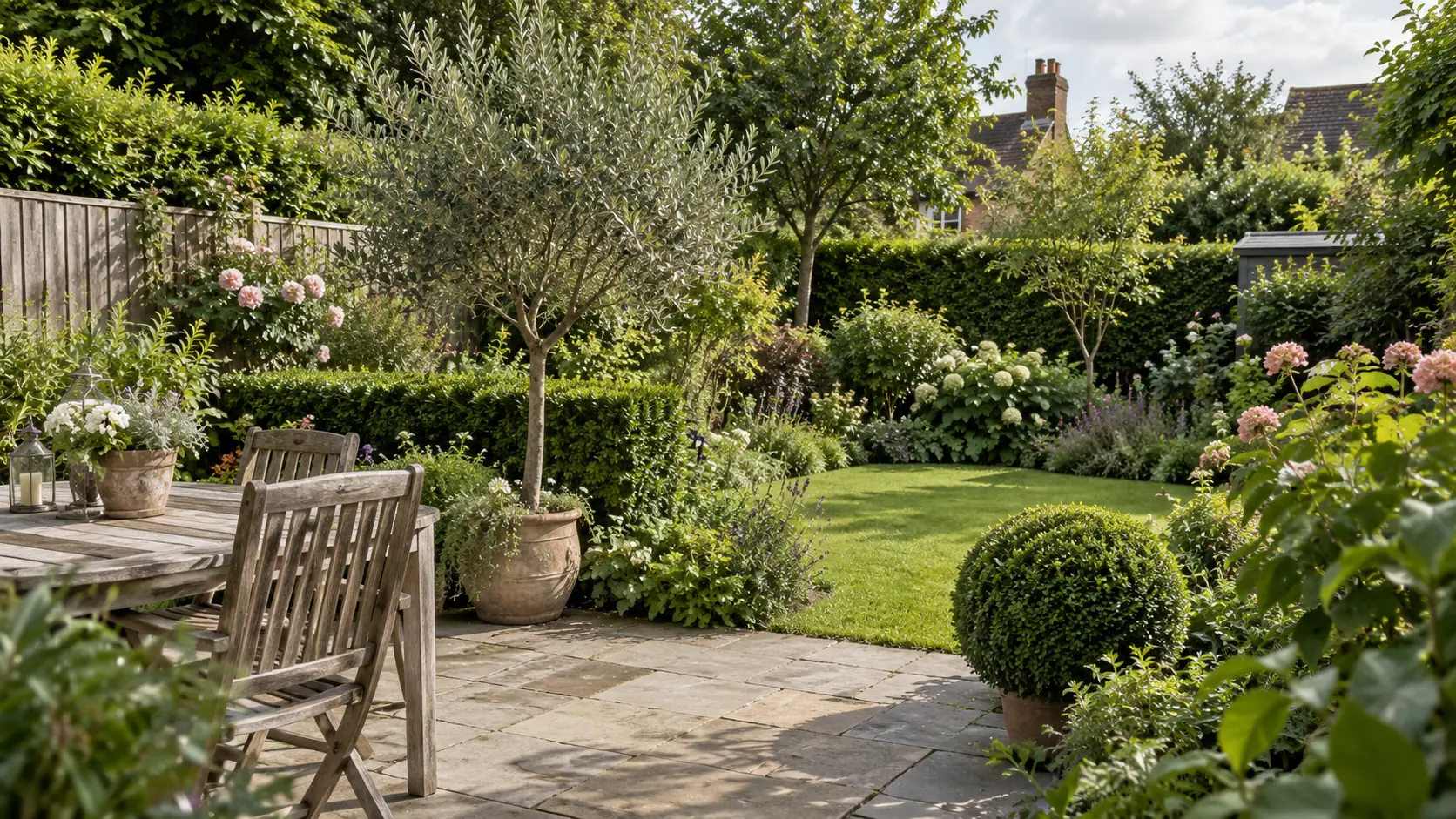
Yew hedging is well suited to formal clipping and can usually tolerate harder renovation than most conifers. A late-summer trim can maintain a neat shape, while more substantial work should be planned carefully according to the condition of the hedge.
Mature Yew can be dense, so inspect deep inside the hedge before starting.
Thuja hedging can be lightly trimmed during the growing season to maintain its shape. As with most conifers, avoid cutting deeply into bare old wood unless you know the particular plant will recover.
Leylandii, Thuja and Yew respond differently to trimming, particularly when cuts reach older wood. For species-specific timings, techniques and advice about avoiding permanent bare patches, read our complete guide to how and when to prune conifers.
If you have a mixed hedge, base the timing and cutting method on the least tolerant plant in the row. Where the species is unknown, avoid drastic pruning until it has been correctly identified.
You can browse the complete range of hedging plants for examples of the different evergreen species used for screening and formal boundaries.
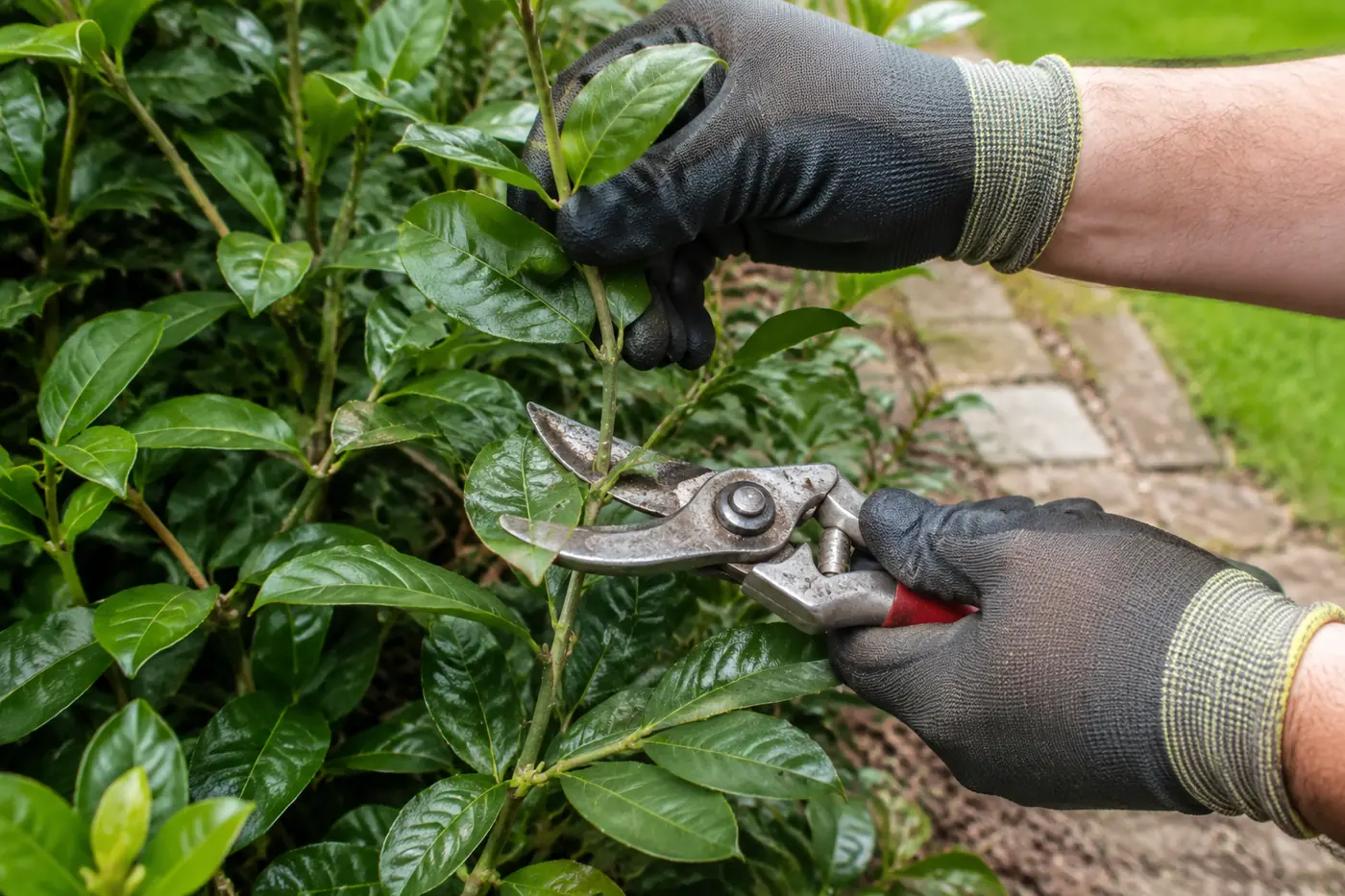
Once you have confirmed that there are no active nests, follow a controlled approach:
For tall hedges or work near roads, overhead cables and public paths, consider using an experienced professional.
New hedges usually benefit from formative pruning, but the approach depends on the species.
Some deciduous hedging plants are cut back after planting to encourage branching near the base. Many evergreen and conifer hedges need a lighter approach, concentrating on damaged growth and maintaining balanced sides while allowing the leading shoots to establish.
Do not reduce the final height prematurely unless the planting instructions for that species recommend it. Correct early care can help a new hedge develop dense growth from the base rather than becoming top-heavy.
You should avoid cutting a hedge in March where possible because birds may already be building or using nests. If work is essential, inspect the entire hedge first and do not continue if you find an active nest.
Agricultural hedgerows covered by England’s management rules must not normally be cut from 1 March to 31 August.
A light summer trim may be possible for a domestic hedge when you have established that no active nests are present. Major cutting is better postponed until after the main nesting period.
Remember that one quick external check may not reveal a nest concealed within dense foliage.
Most nesting activity occurs between March and September, but there is no universal finishing date. Some birds finish earlier and others may produce a later brood. Check the hedge itself rather than relying entirely on the month.
September is generally a better time for hedge cutting because the main nesting period is coming to an end. However, inspect carefully before starting because some nests may still be active.
Stop cutting and leave the nest and surrounding vegetation undisturbed. Do not attempt to relocate it. Resume work only when the young birds have left and the nest is no longer in use.
Many evergreen hedges need one or two trims per year, while vigorous formal hedges may need more frequent maintenance. Growth rate, species and the desired finish determine how often cutting is necessary.
Trimming removes the current season’s growth to preserve a hedge’s shape. Reduction removes older branches to make the hedge substantially smaller. Reduction carries a greater risk of permanent damage, particularly with conifers that do not regrow from old wood.
For most homeowners, the simplest approach is to schedule substantial hedge cutting between September and February, inspect carefully for active nests and adapt the method to the hedge species.
Light maintenance may sometimes be carried out at other times, but wildlife protection takes priority. If birds are nesting, wait until the nest is no longer active.
When choosing a new hedge, consider its mature size and expected maintenance before planting. Slower-growing options such as Yew may require less frequent cutting, while fast-growing plants such as Leylandii need regular management. Browse our hedging plants or large conifers to compare suitable options for evergreen screening.
If you are still deciding what to plant, compare our guide to fast-growing evergreen trees and hedges for privacy, including Leylandii, Cherry Laurel, Thuja and Yew.