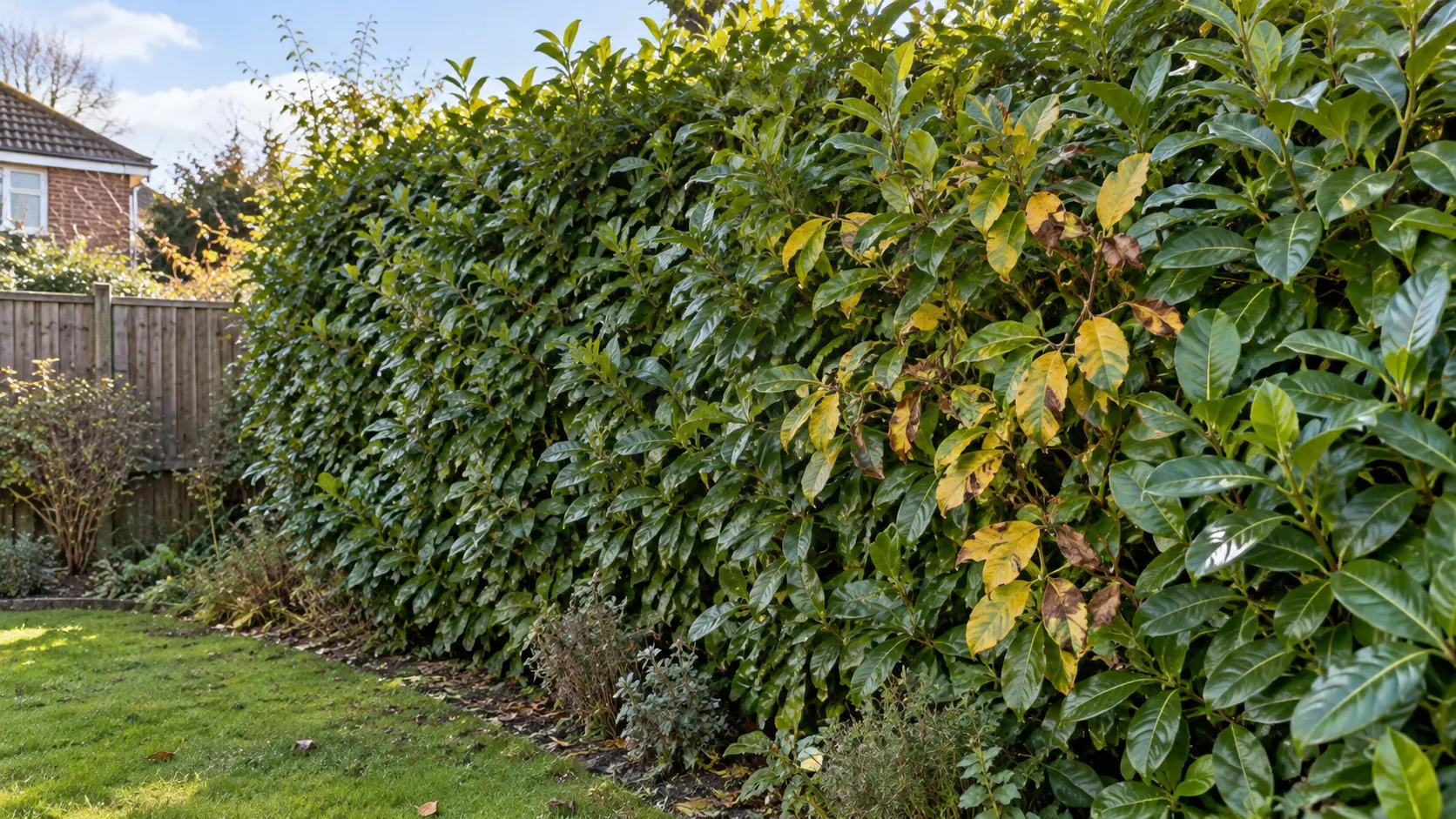


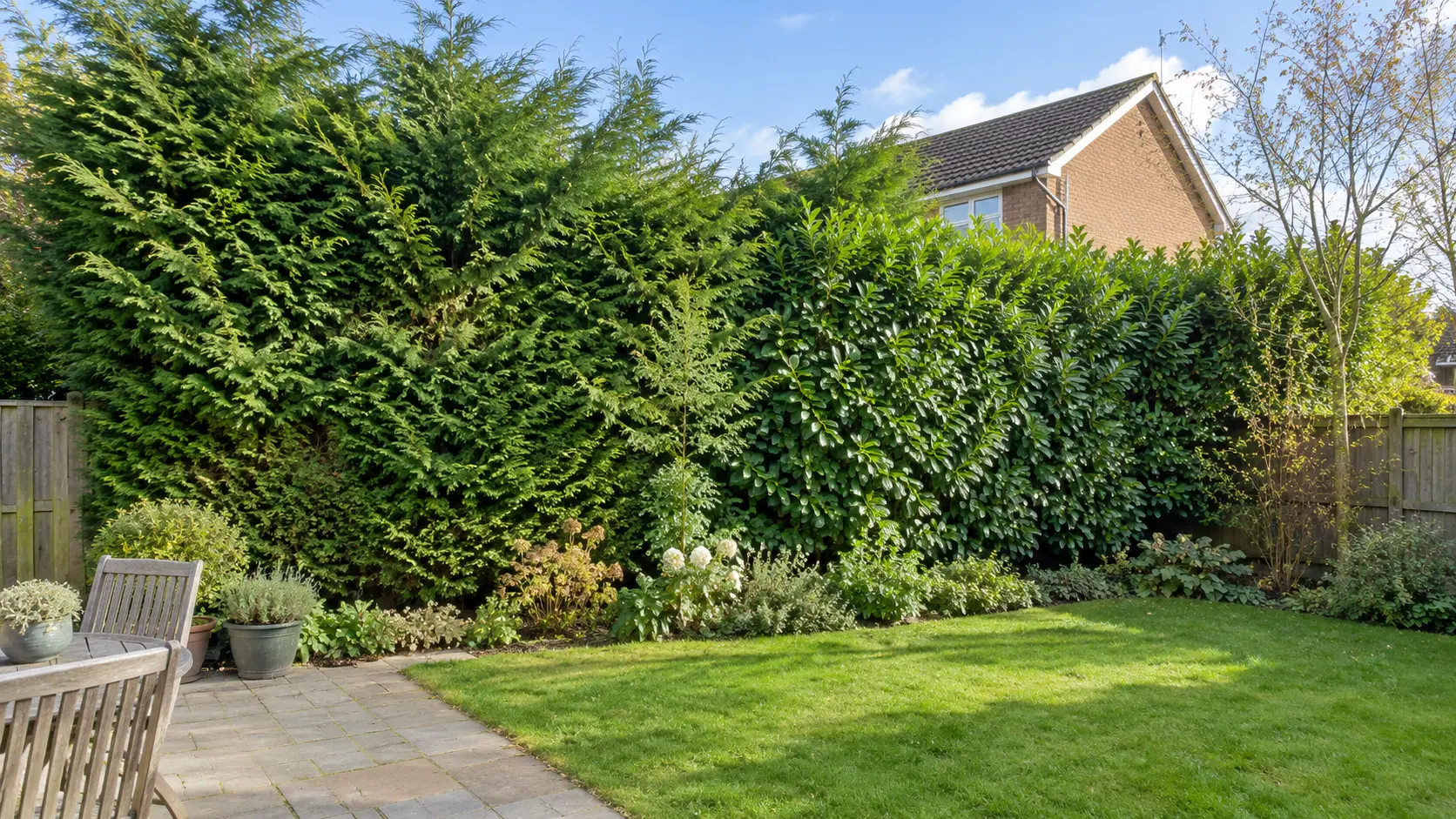
Fast-growing evergreen trees and hedges can provide year-round privacy, screen an overlooked garden and soften unattractive boundaries. For the quickest coverage, Leylandii is usually the strongest option. Cherry Laurel offers vigorous growth with broad, glossy foliage, while Thuja provides a more controlled conifer screen.
However, growth rate is only part of the decision. The best privacy hedge will suit the available space, soil, light and amount of maintenance you are prepared to carry out.
Browse our complete range of hedging plants or compare the options below.
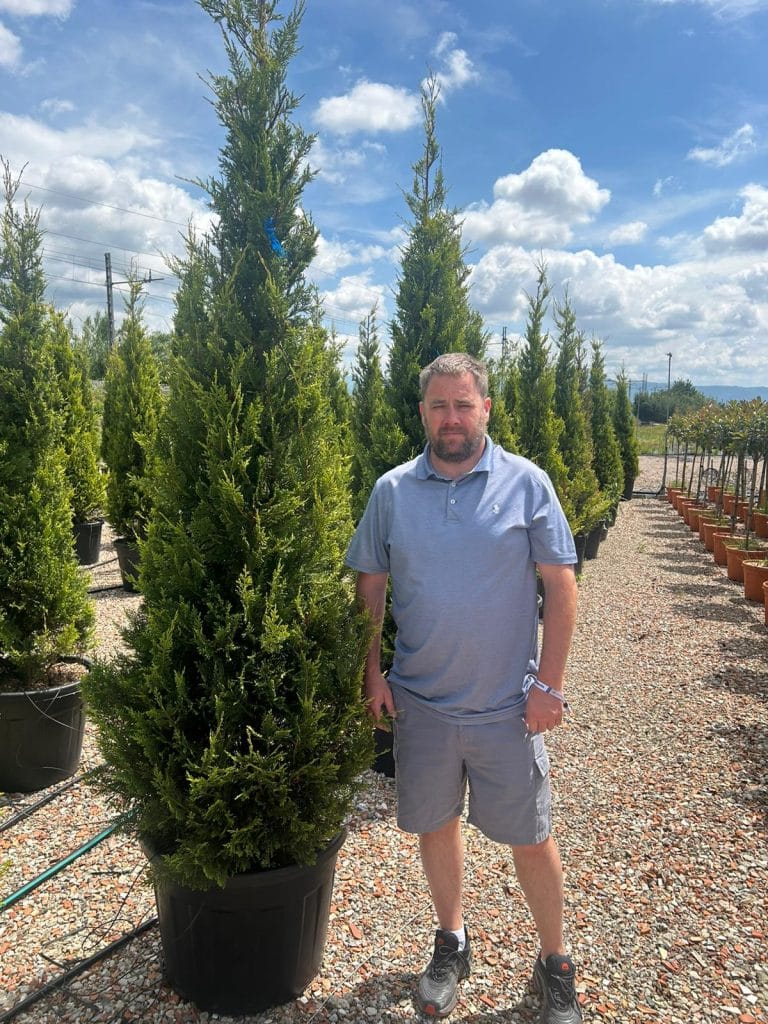
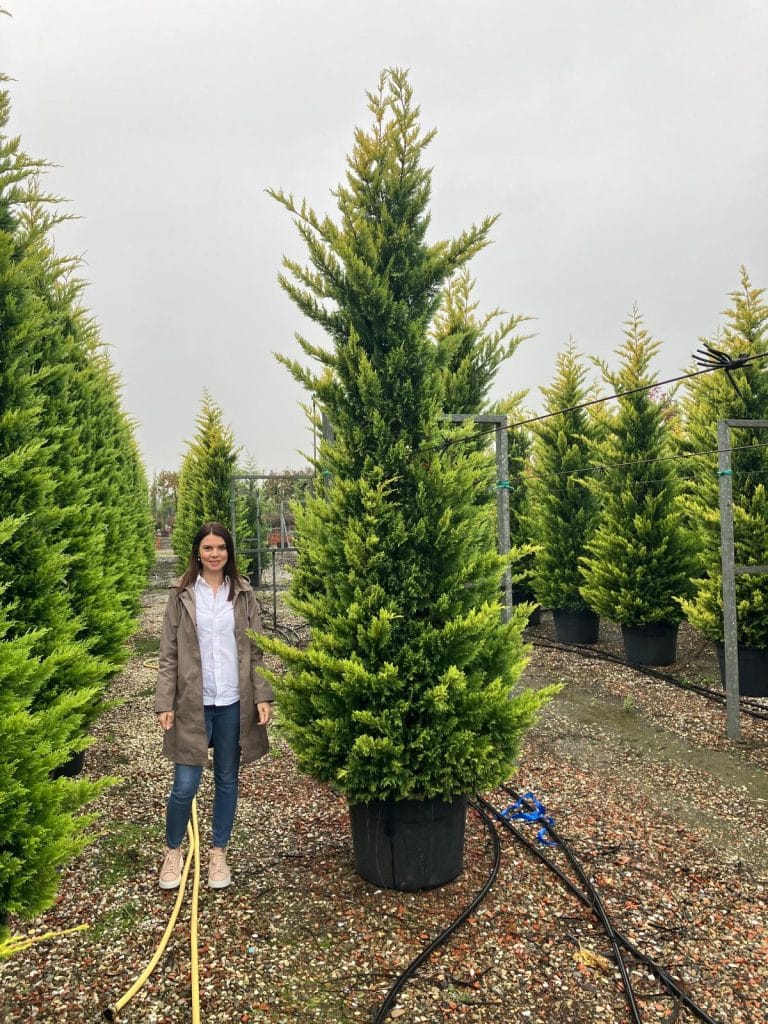
Leylandii is generally the fastest-growing evergreen hedge in our current range, with typical growth of approximately 60–90cm per year in suitable conditions. It can form a tall, dense screen relatively quickly, but it needs regular trimming to remain manageable.
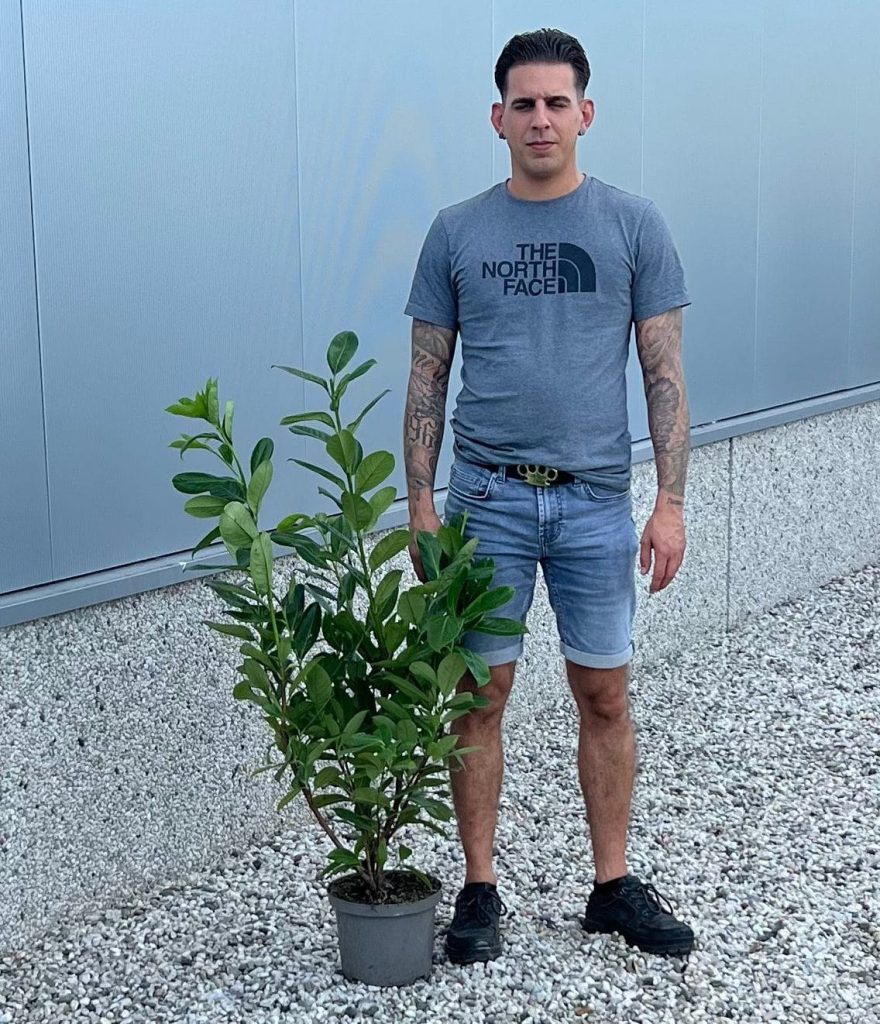
Cherry Laurel is often the better all-round option for gardens where broad evergreen foliage, shade tolerance and easier renovation are important. It generally grows by approximately 30–60cm per year when established and cared for properly.
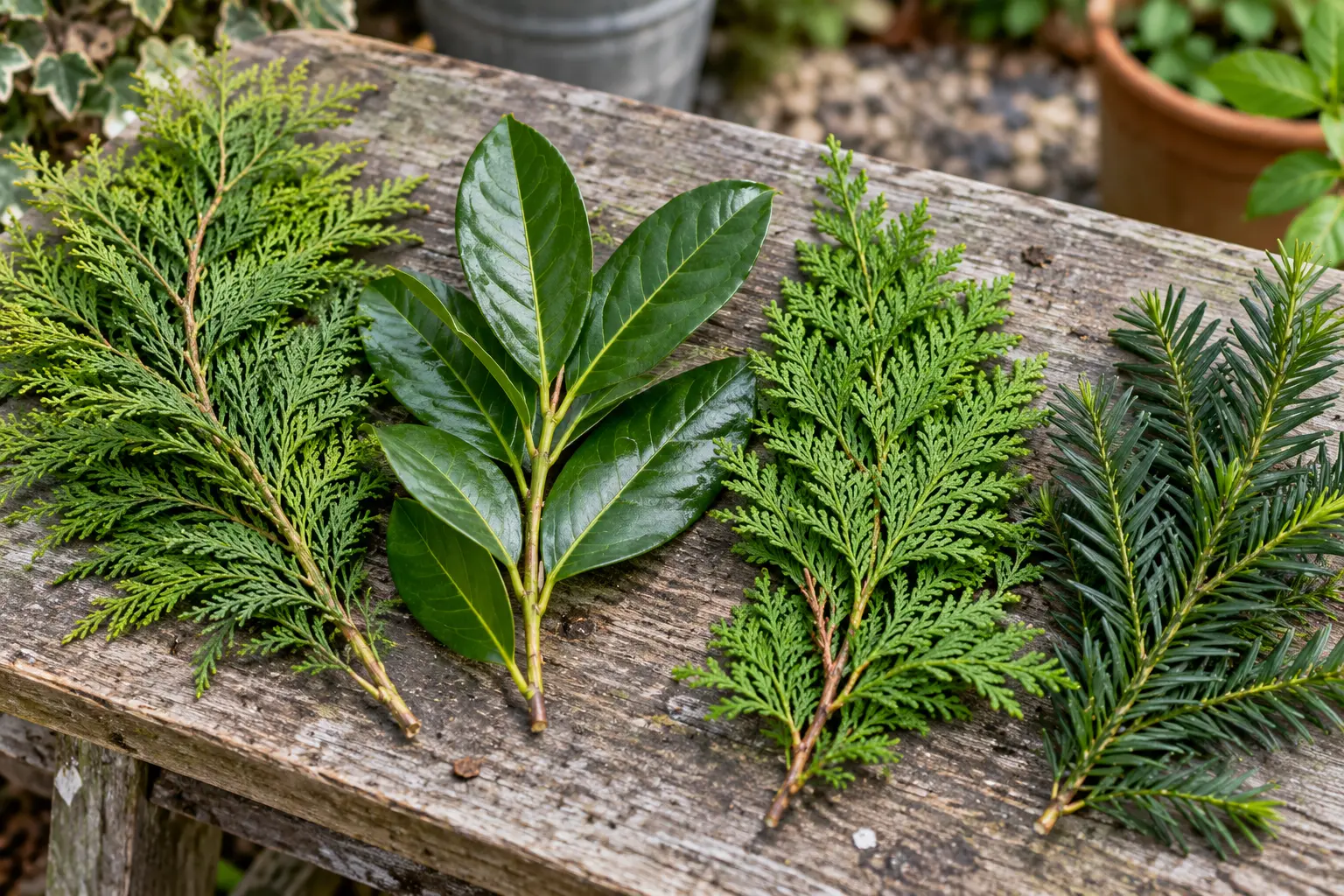
For a slightly more controlled conifer screen, Thuja is worth considering. Yew grows more slowly, but larger plants can still provide useful immediate height and a dense, formal finish.
| Plant | Approximate growth | Main advantage | Best suited to |
|---|---|---|---|
| Leylandii | 60–90cm per year | Fast establishment and tall coverage | Large boundaries and quick screening |
| Cherry Laurel | 30–60cm per year | Broad, dense foliage and good shade tolerance | Most gardens and mixed light |
| Thuja Smaragd | 20–40cm per year | Upright form and controlled growth | Neater or narrower screens |
| English Yew | 20–30cm per year | Formal appearance and pruning tolerance | Long-term structured hedging |
Growth rates are approximate. Soil, weather, watering, exposure, plant health and ongoing care all affect annual growth.
Leylandii, or × Cuprocyparis leylandii, is one of the best-known fast-growing privacy trees in the UK. Its dense conifer foliage creates year-round coverage, and established plants can put on considerable growth when conditions are suitable.
It works particularly well when you need:
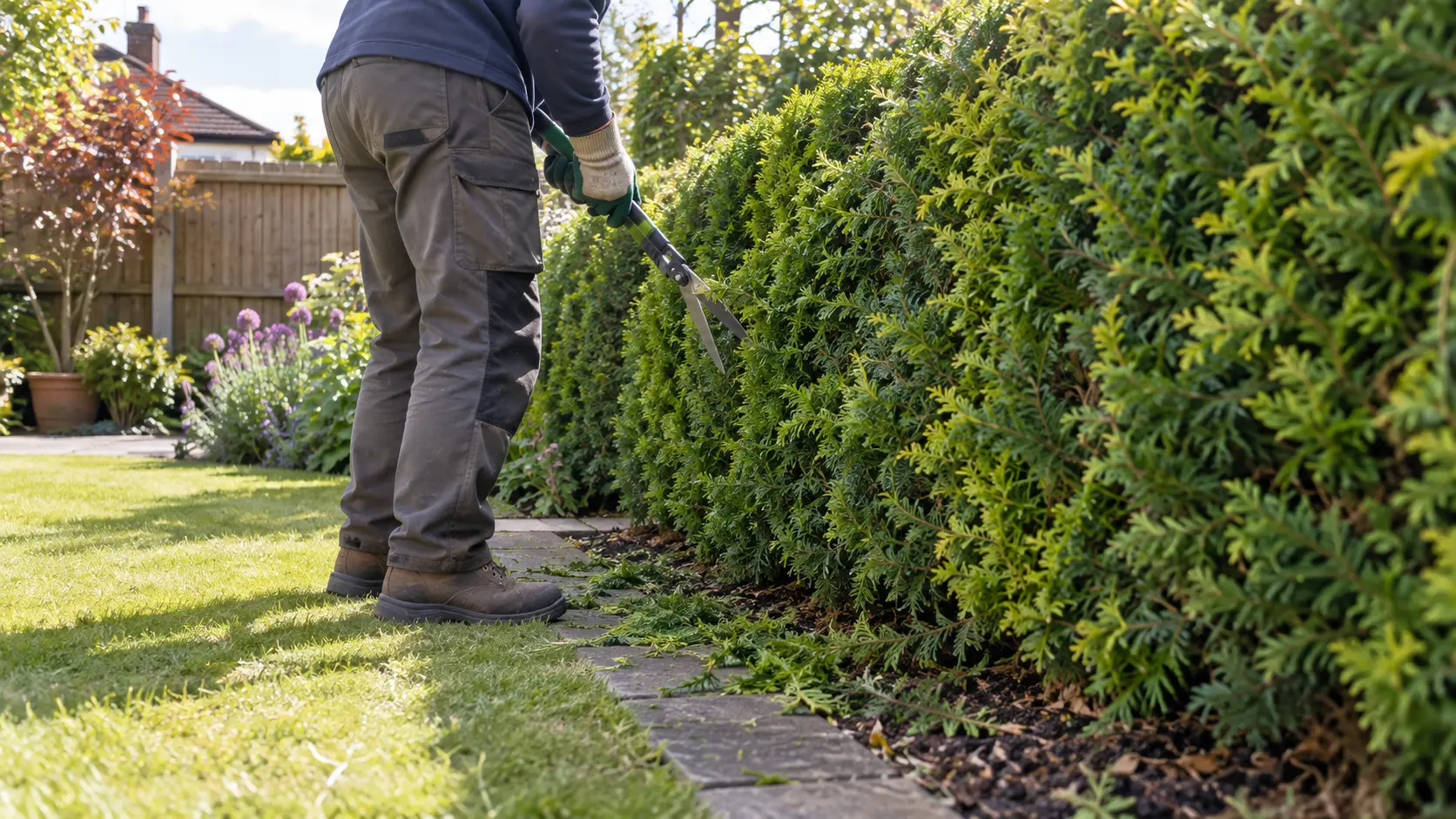
The trade-off is maintenance. Leylandii should be trimmed regularly while its growth is still green and manageable. Cutting deeply into bare brown wood can leave areas that do not regenerate.
Browse the available Leylandii hedging plants or read our guide to pruning conifers before choosing it for a boundary.
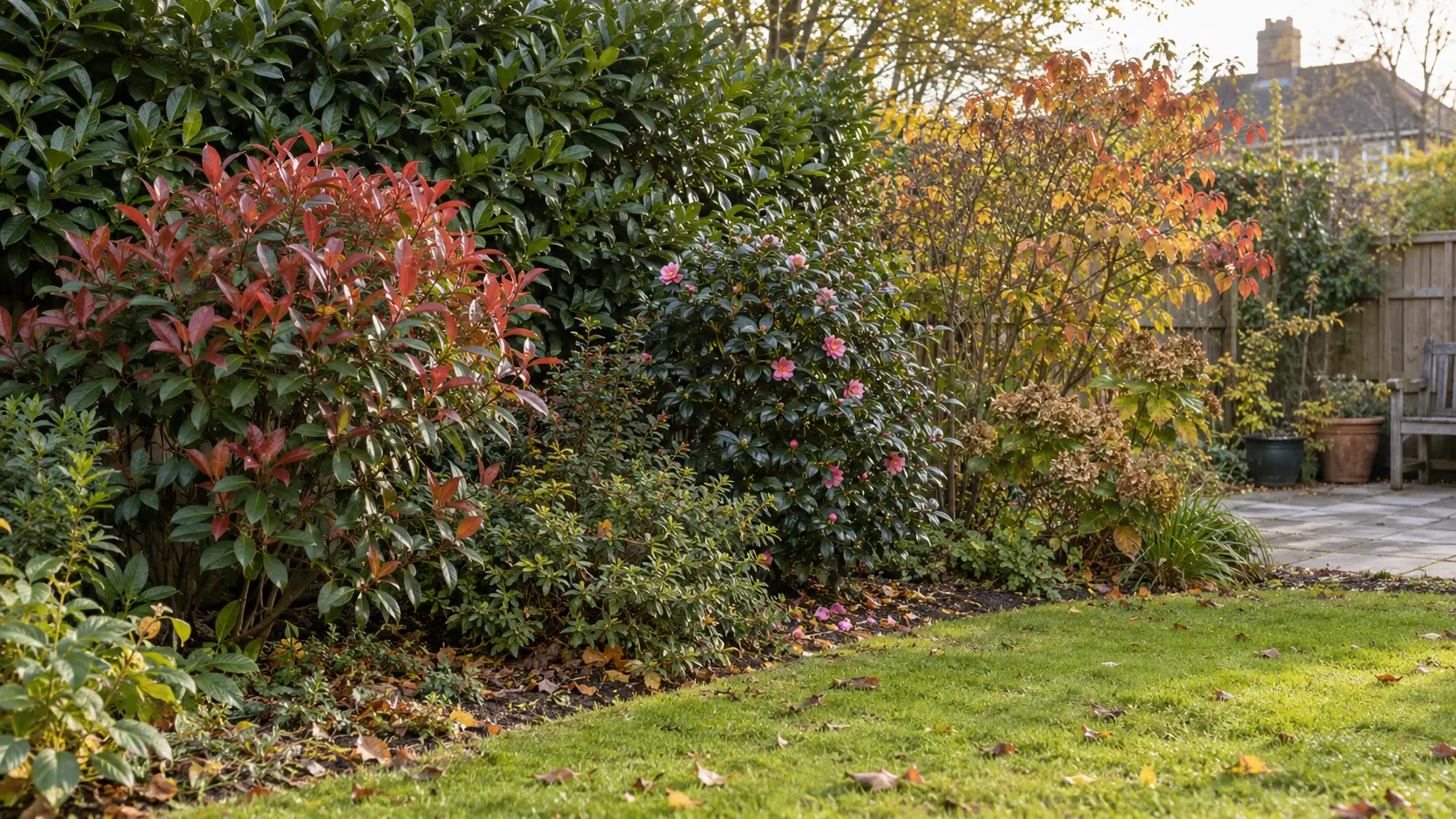
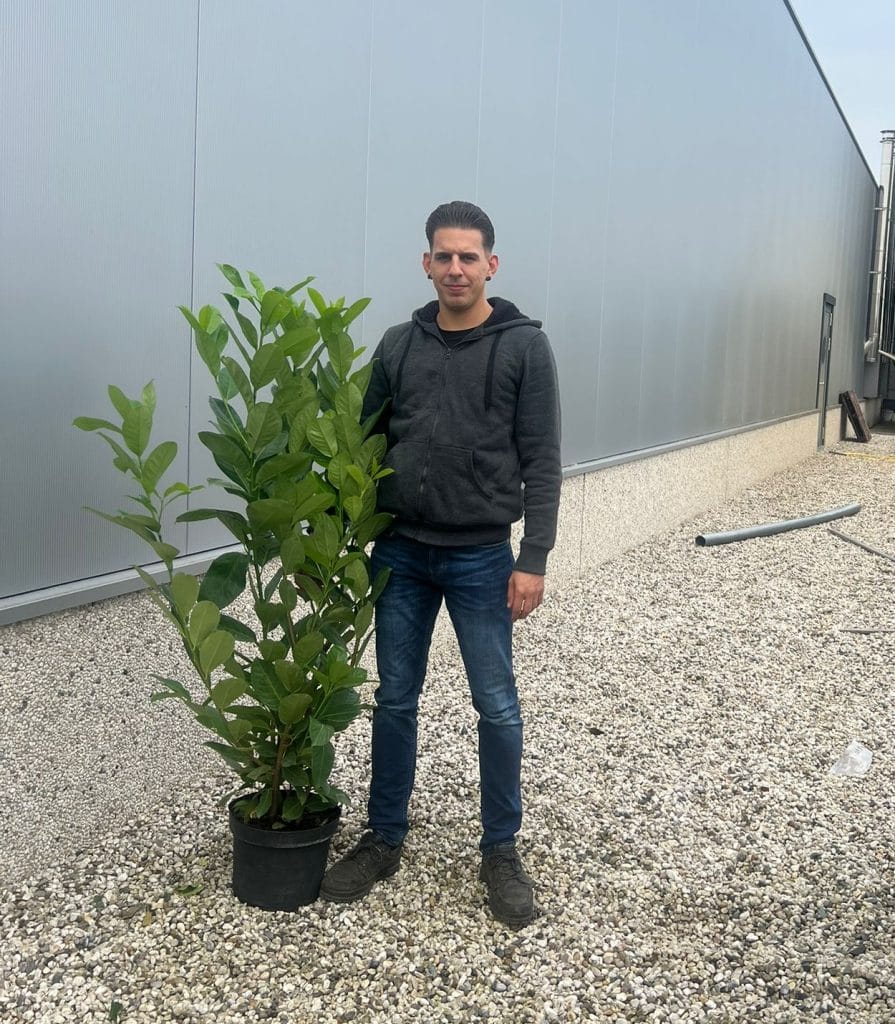
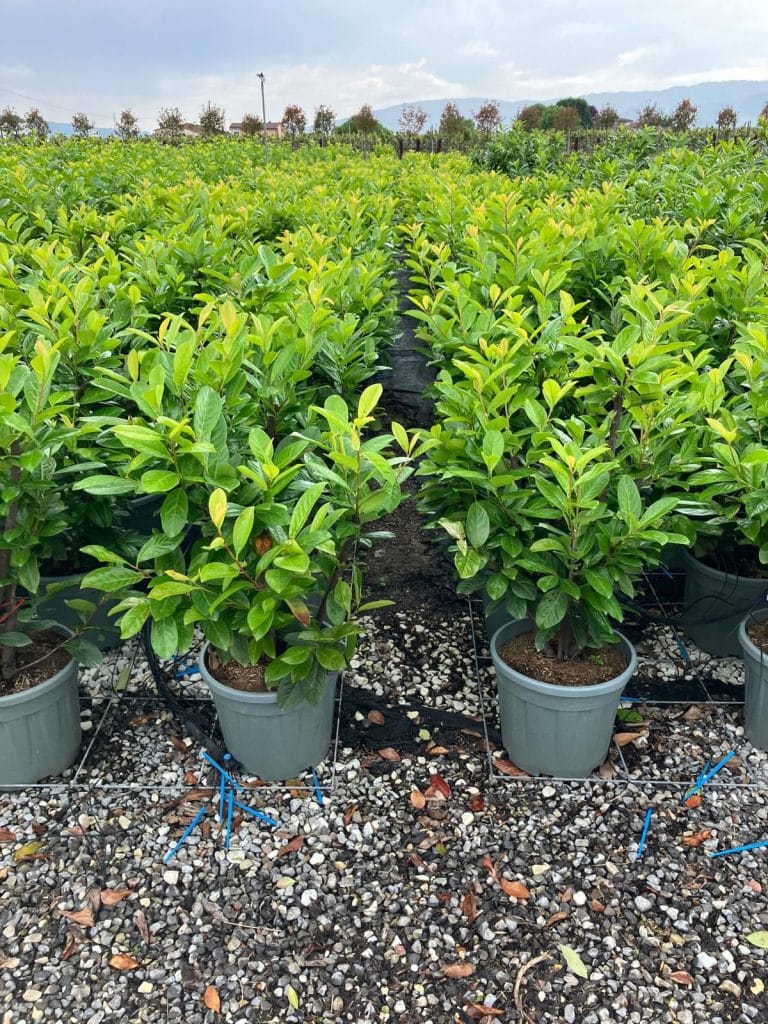
Cherry Laurel, or Prunus laurocerasus, is a vigorous evergreen shrub commonly grown as a privacy hedge. Its large, glossy leaves create a different appearance from conifer screening and can form a dense visual barrier throughout the year.
Cherry Laurel is a good choice when you want:
Its ability to grow in partial and heavier shade makes it particularly useful along boundaries where buildings, fences or established trees reduce the available light. The RHS also identifies Cherry Laurel as a dense evergreen plant widely used for hedging and screening. RHS Plant Guide
Browse Cherry Laurel hedging plants or read our detailed guide to pruning a Laurel hedge.
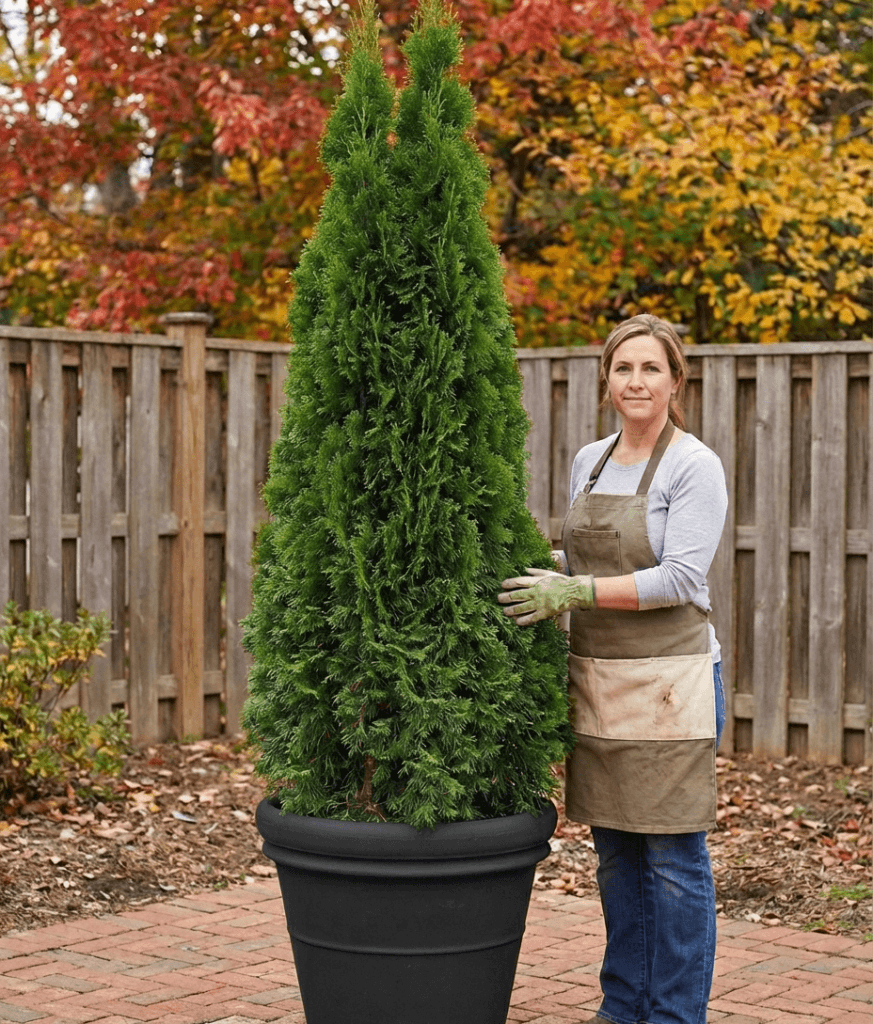
Thuja can provide evergreen privacy without the exceptionally vigorous growth associated with Leylandii. Thuja occidentalis ‘Smaragd’ has an upright habit and neat green foliage, making it suitable for structured planting and narrower spaces.
It may be appropriate when you want:
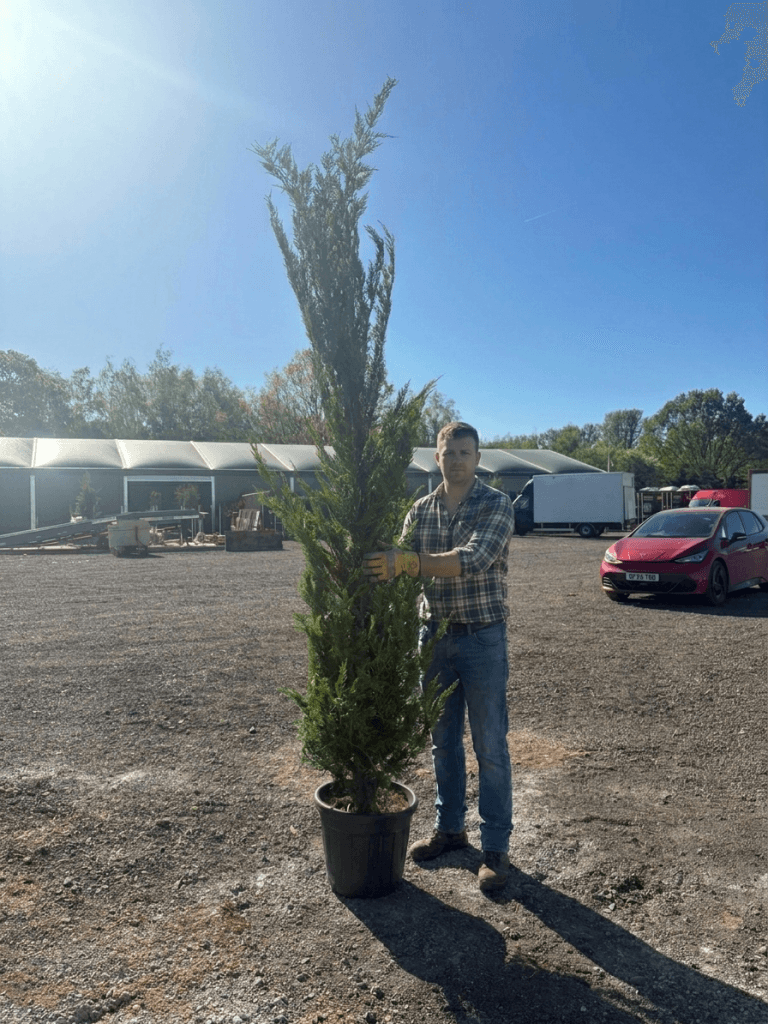
Thuja is not normally the fastest option, but taller starting plants can provide useful screening sooner than small, faster-growing plants.
View the available large conifer trees to compare Thuja with Leylandii and Yew.
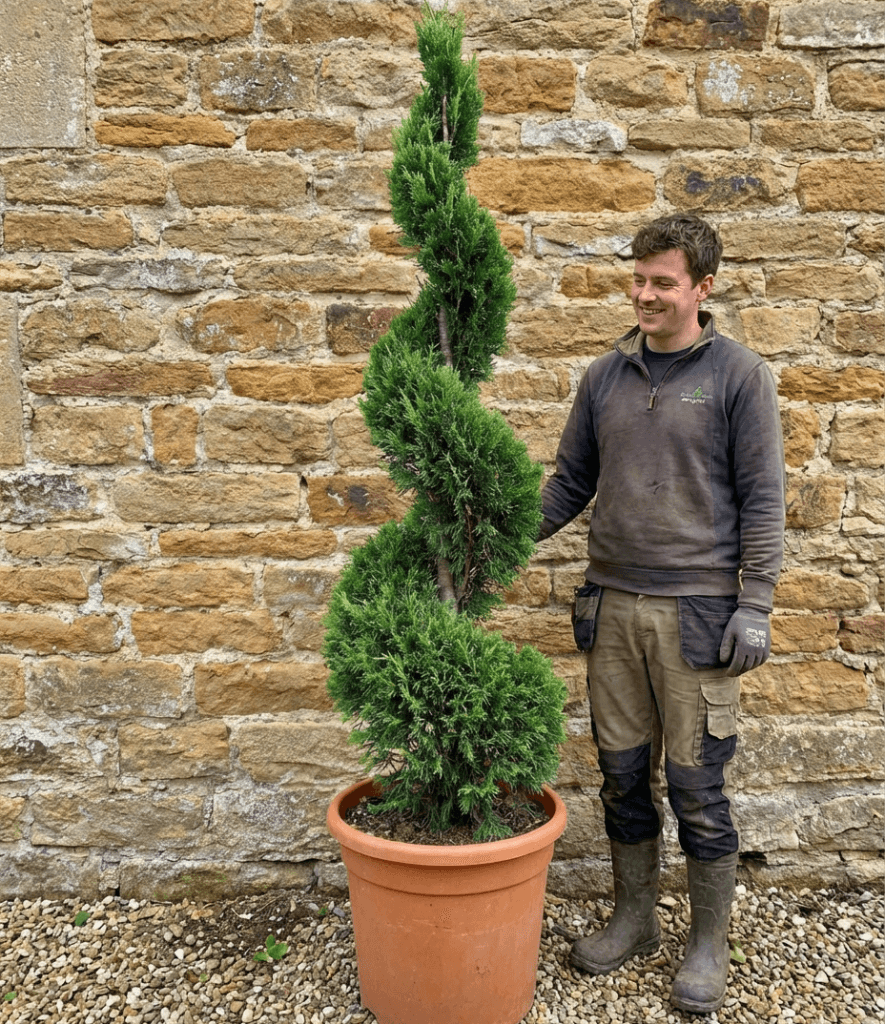
English Yew, or Taxus baccata, is not a genuinely fast-growing privacy tree. Its typical annual growth is more moderate, but it forms a dense, long-lived evergreen hedge and tolerates formal clipping extremely well.
Yew is better suited to gardeners who prioritise:
Larger Yew plants can provide more immediate height, partly compensating for their slower annual growth. This makes starting size just as important as growth rate when comparing privacy hedges.
A hedge is normally the better option when you need continuous coverage along a boundary. Closely spaced plants gradually grow together to create one connected screen.
Individual evergreen trees may be more appropriate when you need to:
Tall evergreen trees can give height quickly, but their mature width, roots and eventual scale must still suit the garden.
Choosing the fastest-growing plant is not the only way to get quicker results.
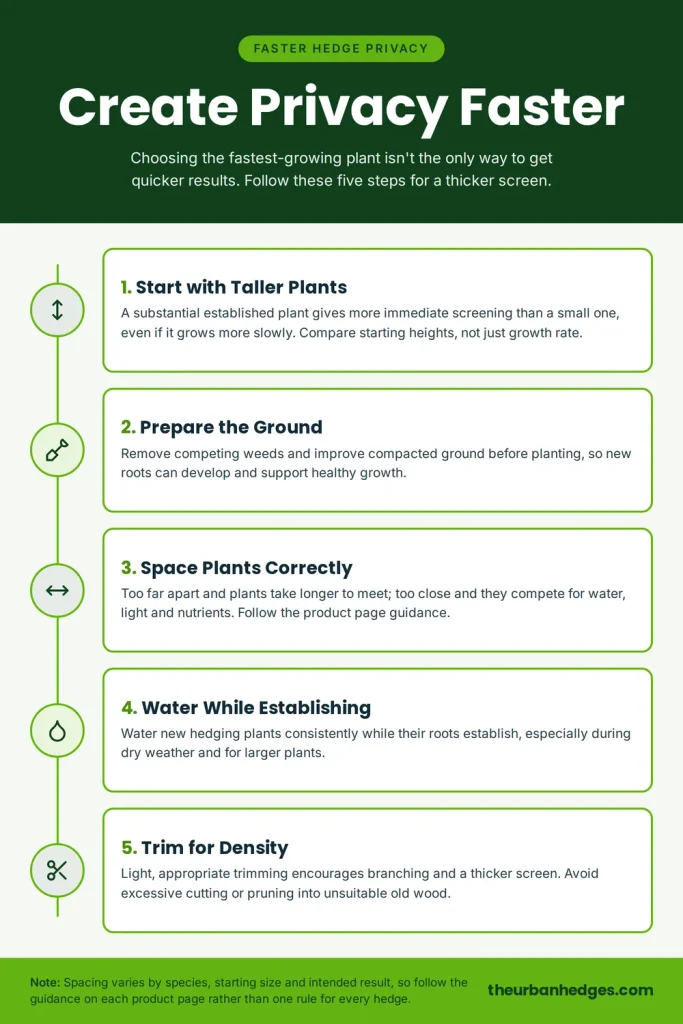
A substantial established plant can provide more immediate screening than a small specimen, even if its annual growth rate is lower. Compare the available starting heights rather than looking at growth rate alone.
Remove competing weeds and improve compacted ground before planting. Good establishment allows new roots to develop and supports healthy growth.
Plants placed too far apart take longer to meet. Plants placed unnecessarily close together compete for water, light and nutrients.
Spacing varies according to the species, starting size and intended result. Follow the guidance on the selected product page rather than using one spacing rule for every hedge.
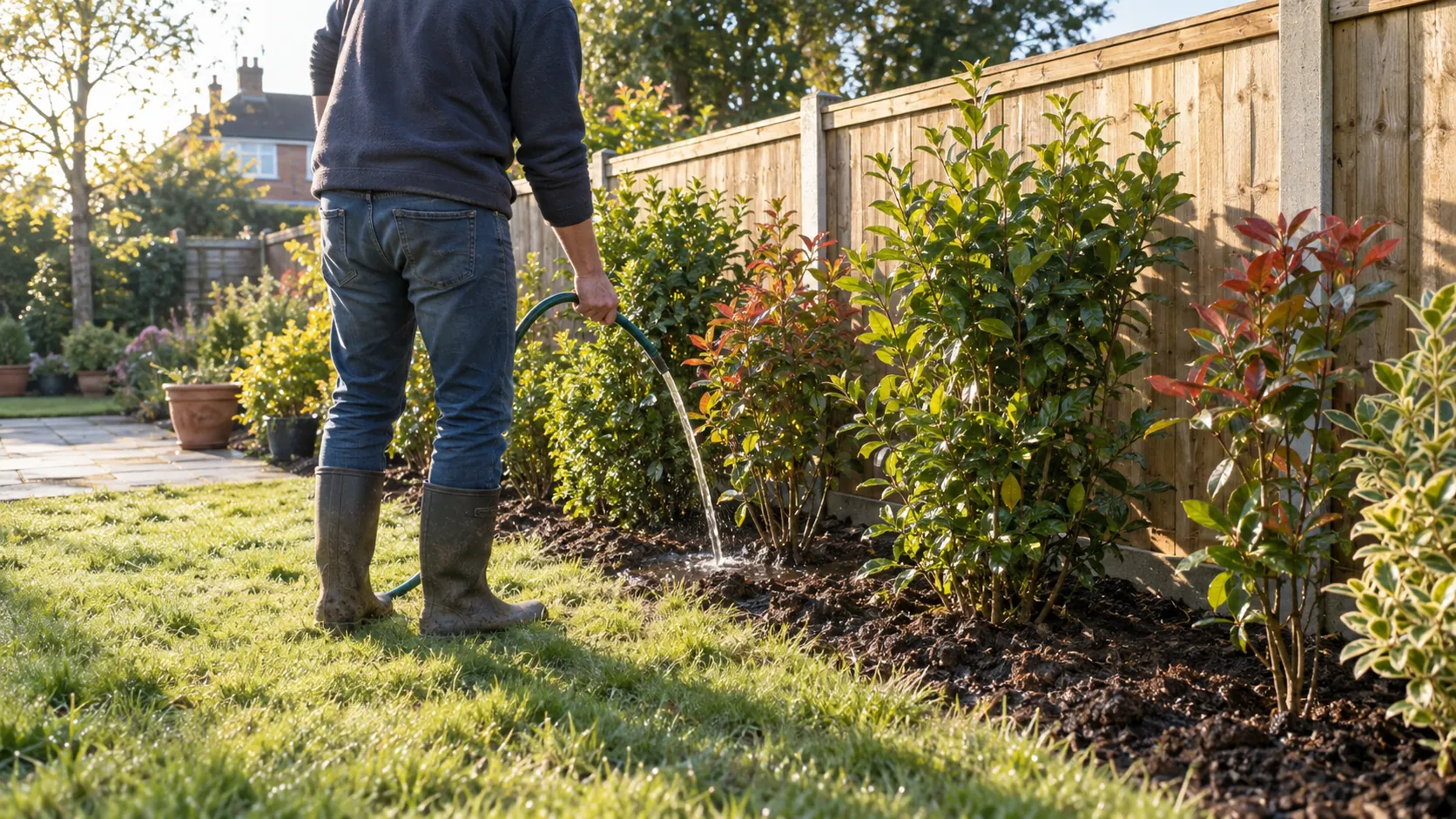
New hedging plants require consistent watering while their root systems establish. This is especially important during dry weather and for larger plants.
Light, appropriate trimming can encourage branching and help plants develop a thicker screen. Avoid excessive cutting or pruning into unsuitable old wood.
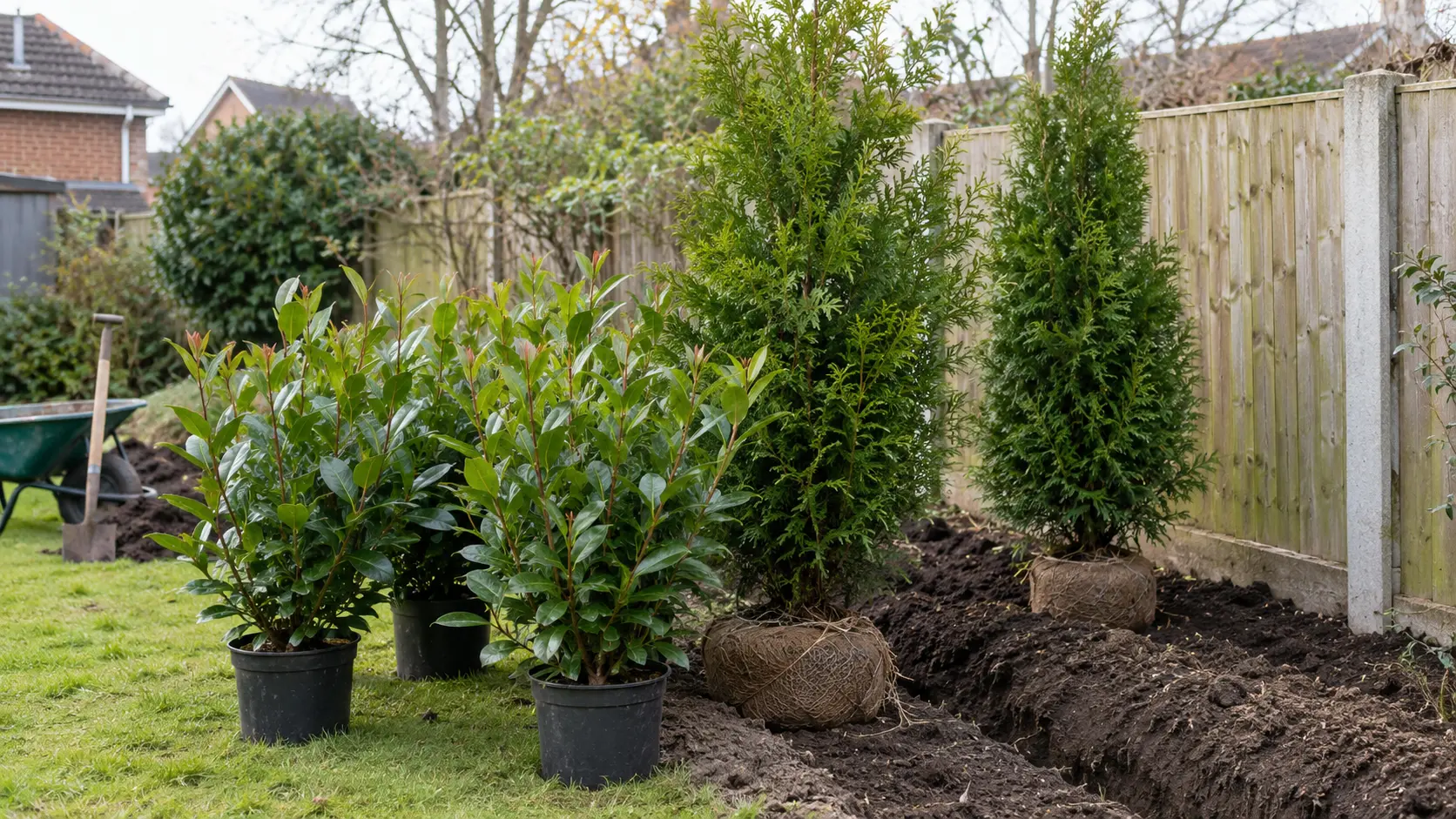
Start with the conditions and the result you want.
Choose Leylandii when rapid growth and tall screening are the priorities, and you have the space and time to maintain it.
Choose Cherry Laurel when you want fast-growing broadleaf coverage or need an evergreen hedge that can cope with partial shade.
Choose Thuja when you prefer an upright conifer with more moderate and controlled growth.
Choose Yew when a formal finish, longevity and pruning tolerance matter more than speed.
If the position is shaded, our guide to the best evergreen shrubs for shade provides a more detailed comparison.
Decide on the hedge’s intended maintained height before buying plants. A fast-growing hedge may provide privacy sooner, but it will also need more frequent maintenance once it reaches the required size.
Consider:
In England and Wales, a hedge over two metres is not automatically unlawful. However, a row of two or more predominantly evergreen or semi-evergreen plants over two metres may come under the high-hedge complaints process if it adversely affects a neighbour’s enjoyment of their property. GOV.UK
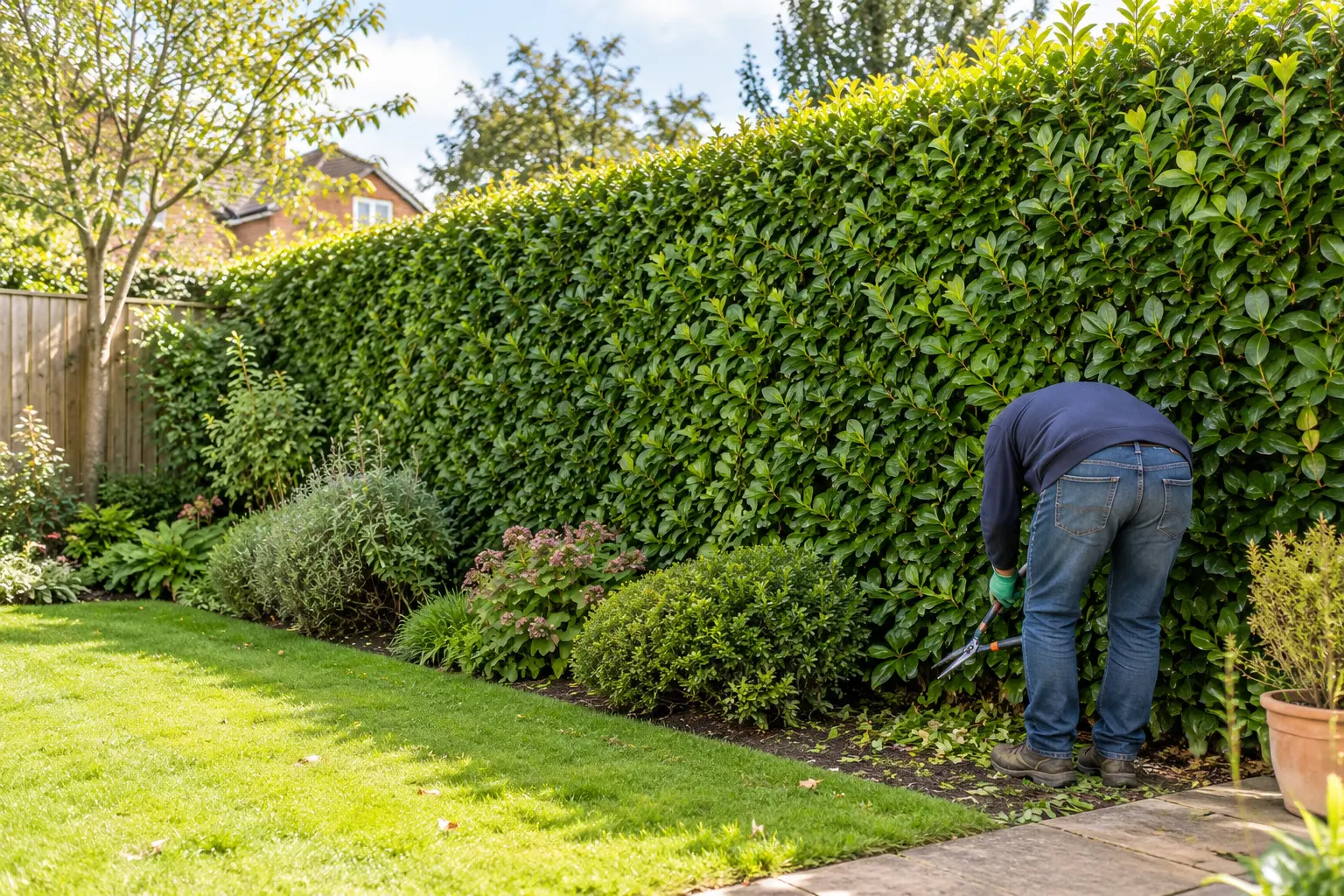
Once a hedge reaches the required size, regular light maintenance is normally easier than allowing it to become overgrown and then cutting it back severely.
Keep the base slightly wider than the top so light can reach the lower foliage. Before carrying out any work, inspect the hedge carefully for active bird nests.
For seasonal and wildlife guidance, read When Can You Cut Hedges in the UK?. For species-specific techniques, use the separate conifer-pruning and Laurel-pruning guides.
Leylandii is one of the fastest-growing evergreen hedging plants commonly used in UK gardens. Under suitable conditions, it can produce approximately 60–90cm of growth per year. Regular trimming is essential to keep it controlled.
The best choice depends on the garden. Leylandii suits rapid, tall screening; Cherry Laurel provides broad, dense foliage and greater shade tolerance; Thuja offers more moderate growth; and Yew suits formal, long-term hedging.
Cherry Laurel is one of the strongest options for shaded boundaries. It can grow in sun or shade, although growth and density still depend on soil, moisture and general care.
Hedges are generally better for continuous boundary screening. Individual trees are useful for blocking a particular view or adding height without creating a solid hedge along the entire boundary.
That depends on the starting height, species, spacing and growing conditions. Taller established plants can provide partial screening immediately, while smaller plants require time to grow together.
There is no general rule making every hedge above two metres illegal. However, certain predominantly evergreen or semi-evergreen hedges over two metres can be considered under the statutory high-hedge complaints process when they adversely affect a neighbouring property.
Compare our current range of hedging plants for year-round boundaries, or browse large conifer trees when height and evergreen structure are the main priorities.