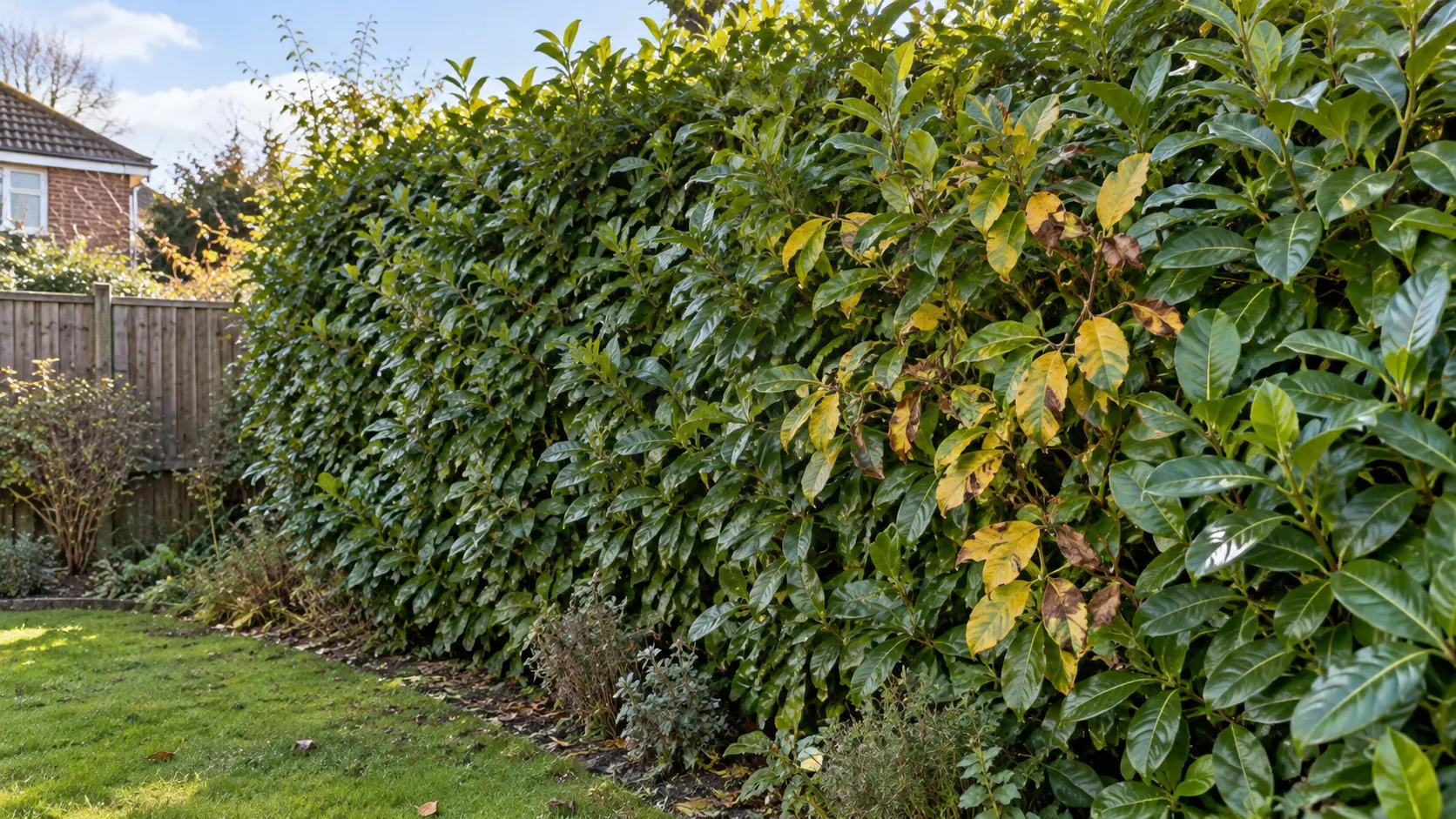


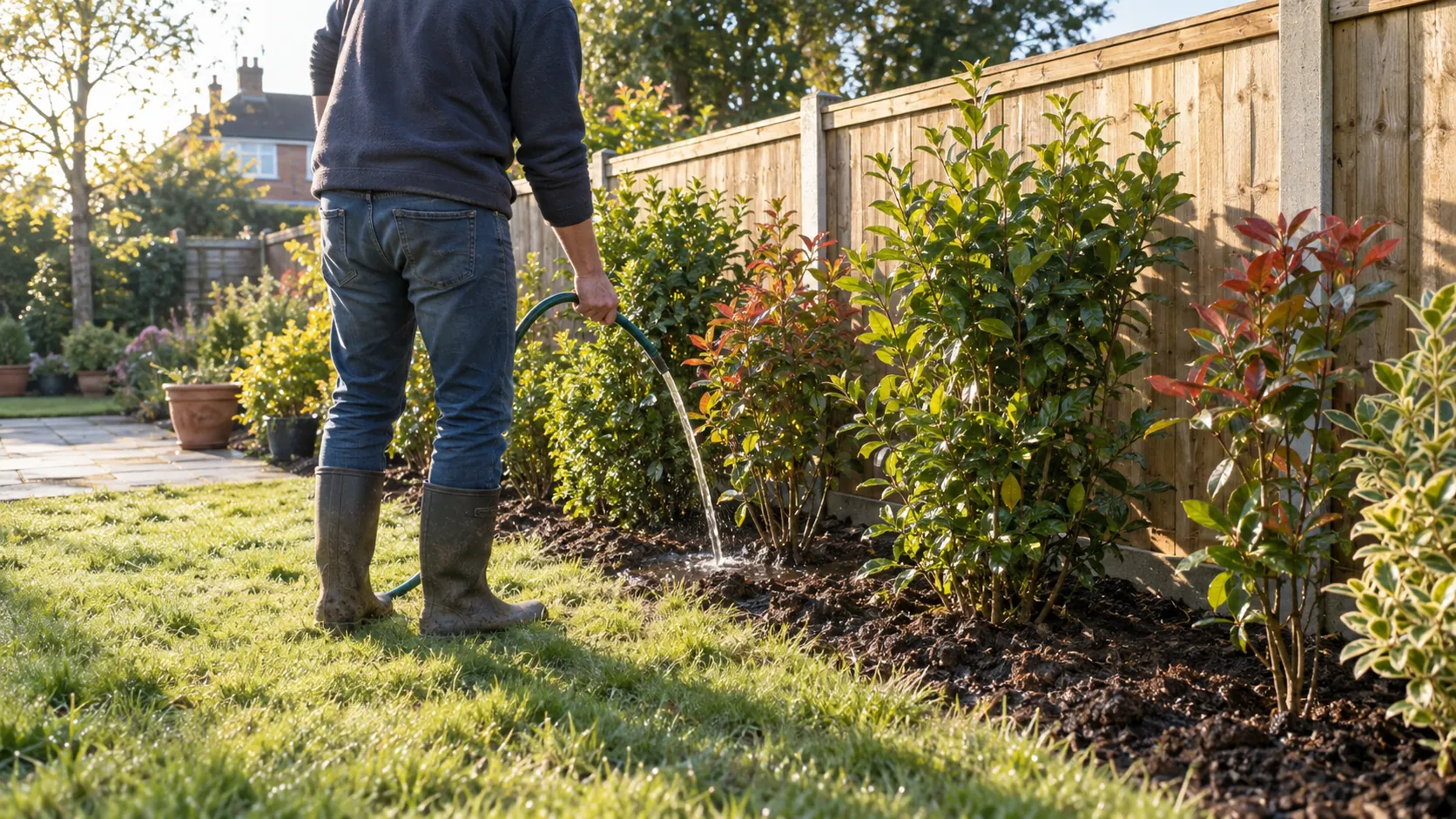
Early morning is generally the best time to water outdoor plants. The soil is cooler, so less water is lost to evaporation before it reaches the roots. Evening is a practical alternative. But if a newly planted hedge, tree or container plant is drying out, water it when it needs water—don’t leave it struggling until the next morning.
The clock is only part of the decision. Rainfall, soil type, wind, the size of the plant and how recently it was planted all affect when to water. A quick check of the soil will tell you more than a fixed watering schedule.
| Time | Practical advice |
|---|---|
| Early morning | Usually the best routine choice. Water has time to soak into cooler soil before the day warms up. |
| Evening | A useful alternative, particularly after a hot day. Aim the water at the soil rather than repeatedly wetting the leaves. |
| Middle of the day | Less efficient in strong sun because water can evaporate quickly. Still, water a dry or stressed plant now rather than waiting hours for the “ideal” time. |
You may have heard that watering in sunlight automatically burns leaves. That isn’t a good reason to withhold water from a plant that needs it. On a hot afternoon, concentrate on getting water slowly into the soil around the roots, rather than spraying foliage or letting water run across a dry surface.
Morning or evening watering matters most as a routine habit. The plant’s immediate condition matters more.
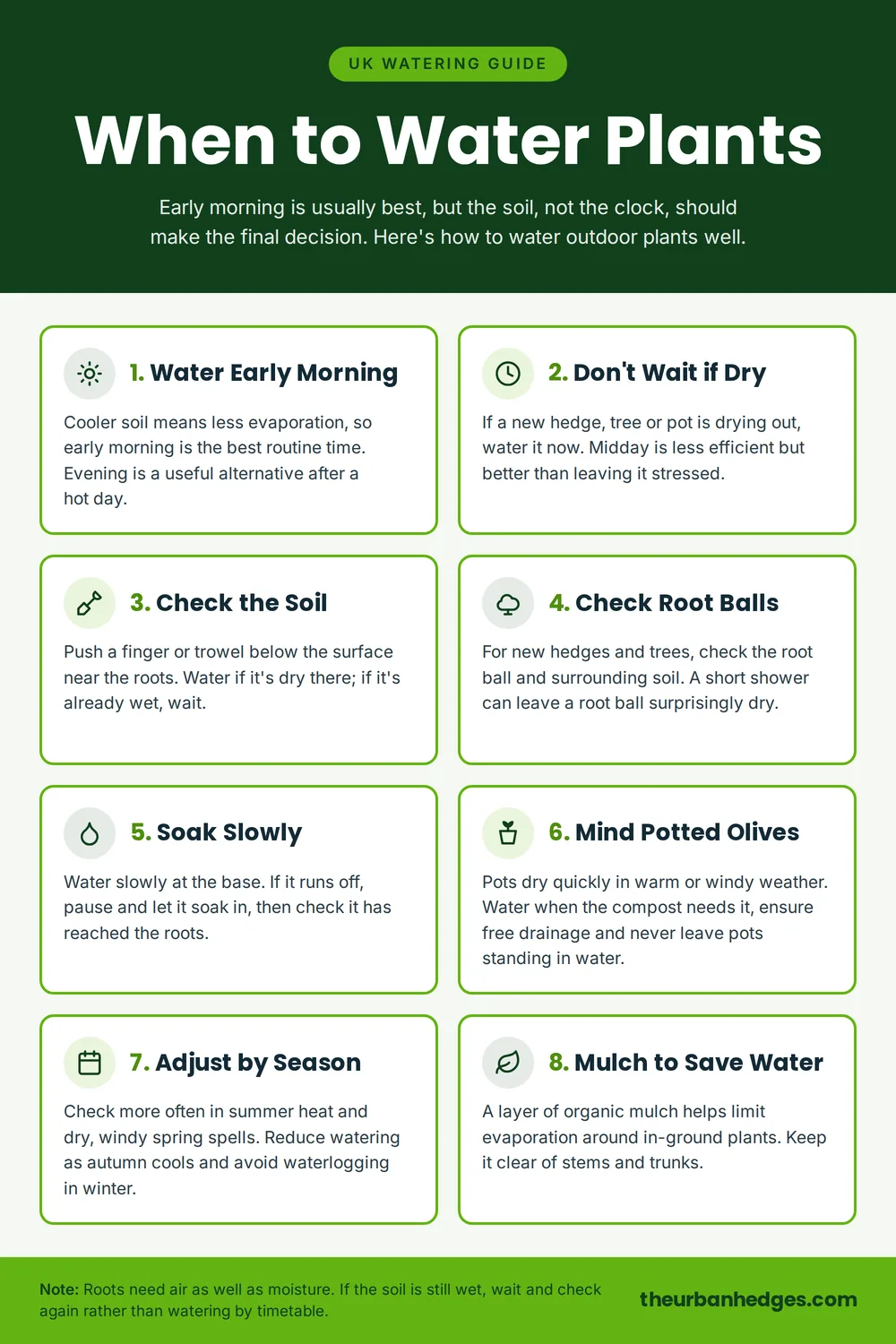
Push a finger or a small hand trowel into the soil beneath the surface, close to the plant’s root zone. If the soil is dry at the depth where the roots are growing, it may be time to water. If it is already wet, adding more could make matters worse.
For a recently planted hedge or tree, check both the original root ball and the surrounding soil. They do not always dry at the same rate. A root ball can remain surprisingly dry after a short shower, even when the surface looks damp.
Look at the plant too, but don’t rely on its leaves alone. Temporary wilting in the heat of the afternoon can improve as temperatures fall. Wilting that persists, dry soil and dull or drooping growth together are stronger signs that water is needed. Similar-looking symptoms can also occur when roots sit in waterlogged soil, which is why checking soil moisture comes first.
Sandy soil often drains and dries faster than clay soil. Clay can hold moisture longer, but poorly drained clay can also become too wet. Exposure makes a difference: a hedge beside a wall or fence may receive less rain than plants in the open.
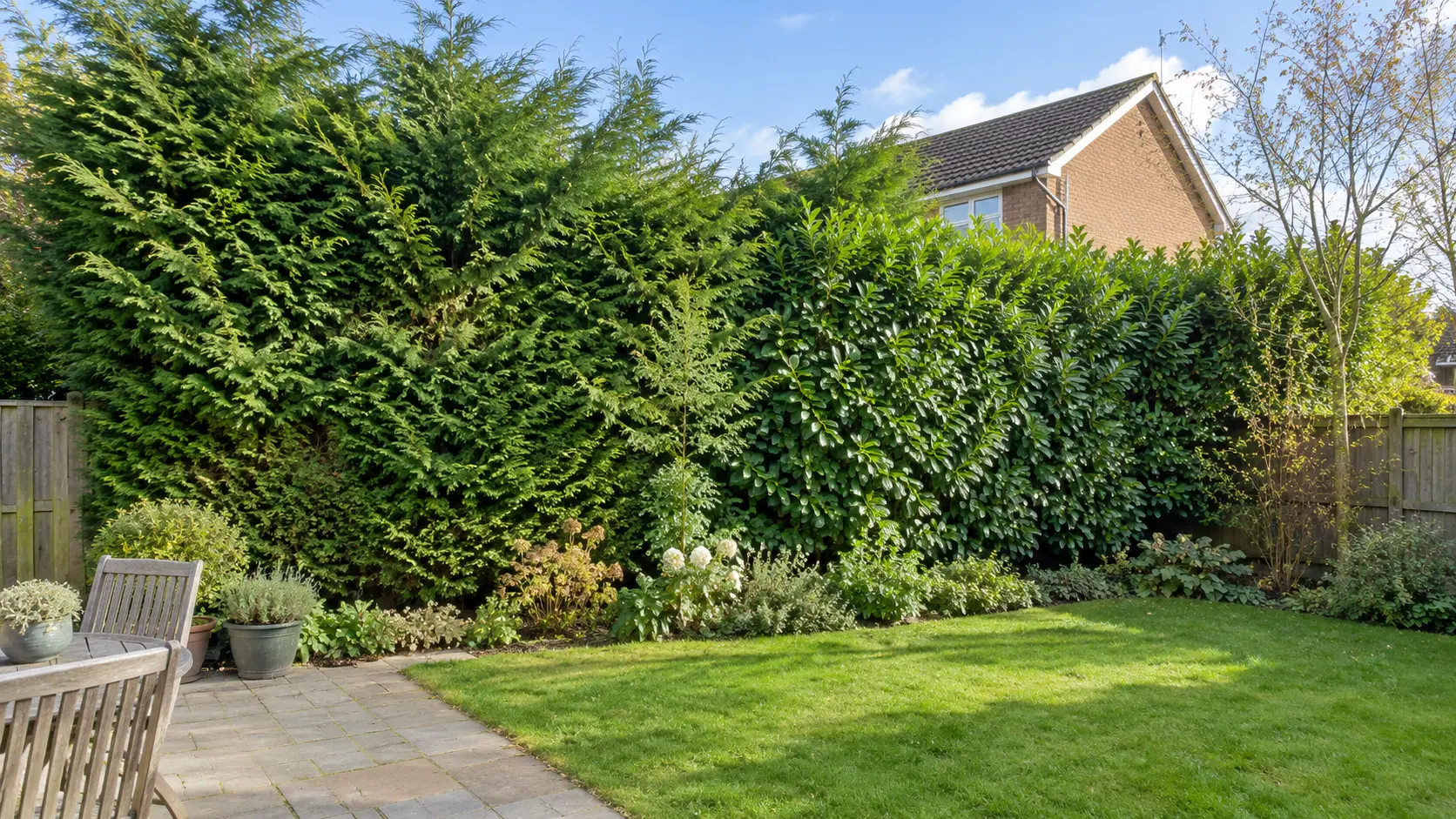
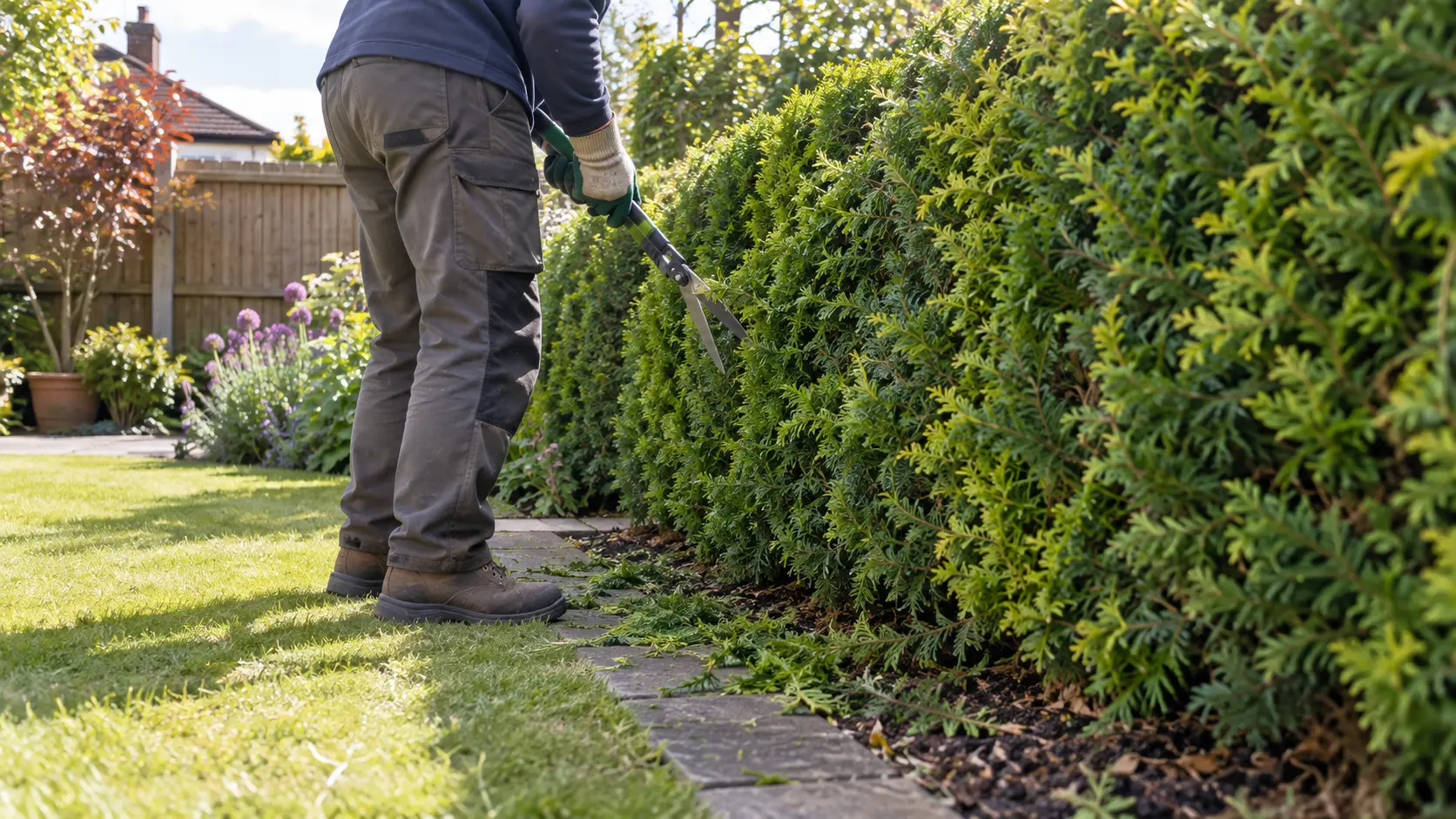
Water a new hedge thoroughly after planting so the root balls and surrounding soil make good contact. After that, check it regularly through its first growing season, especially during dry spring weather, summer heat or windy spells. There is no single answer to “how often should I water a new hedge?”—the right frequency changes with the weather and the soil.
Apply water slowly along the base of the hedge. Check several points in the row rather than assuming every plant has received the same amount. One end may sit in shade while another is exposed to sun and wind; soil conditions can vary over a short distance too.
Larger hedge plants deserve particular attention. Their height above ground does not mean their roots have already spread through the surrounding soil. For the first period after planting, much of the water they can use must reach the supplied root ball. Check that water is soaking in rather than running away across the surface.
This applies whether you are establishing hedging plants such as Cherry Laurel or conifers such as Leylandii and Thuja. The goal is steady establishment, not permanently wet soil. Let your soil checks guide the next watering.
A tall tree may look established on delivery, but its roots still need time to grow into their new position. When watering newly planted trees, wet the root-ball area and the surrounding soil slowly enough for the water to penetrate. If it starts to run off, pause and let it soak in before continuing.
Keep checking during dry spells, particularly through the first growing season. Larger specimens can need monitoring for longer while their root systems establish. Do not assume that a brief shower has reached the roots simply because the leaves or the top layer of soil are wet.
The same approach applies to newly planted large conifer trees. Their evergreen foliage continues to lose moisture, while recently moved roots have a limited area from which to replace it. Check the soil before watering again, though: conifers also need drainage and should not sit in saturated ground.
If you are still deciding which plants suit a boundary, our guide to fast-growing evergreen trees and hedges for privacy covers the selection side. Once planted, focus on the actual moisture around each plant’s roots rather than watering by plant name alone.
Newly planted evergreen shrubs need similar attention to a hedge: water them in, then check moisture around the root ball while they establish. An established shrub growing in the ground is different. It may cope with ordinary rainfall for much of the year and need extra water mainly during prolonged dry weather.
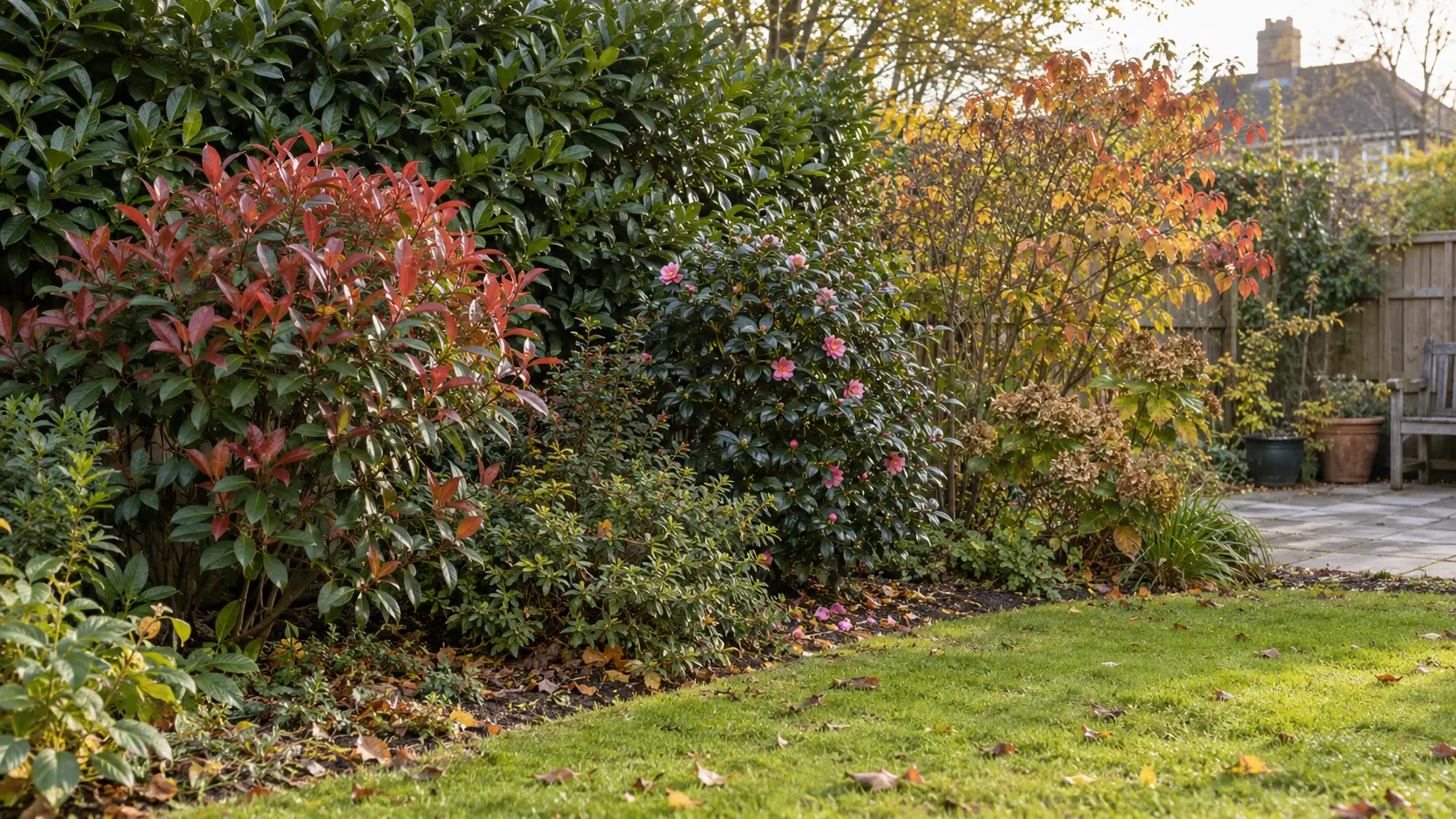
That distinction is worth remembering when caring for evergreen shrubs such as Camellia Sasanqua. A newly planted specimen has a smaller effective root zone than one that has spent years growing in the same position. Check its soil and drainage rather than assuming all shrubs need the same routine.
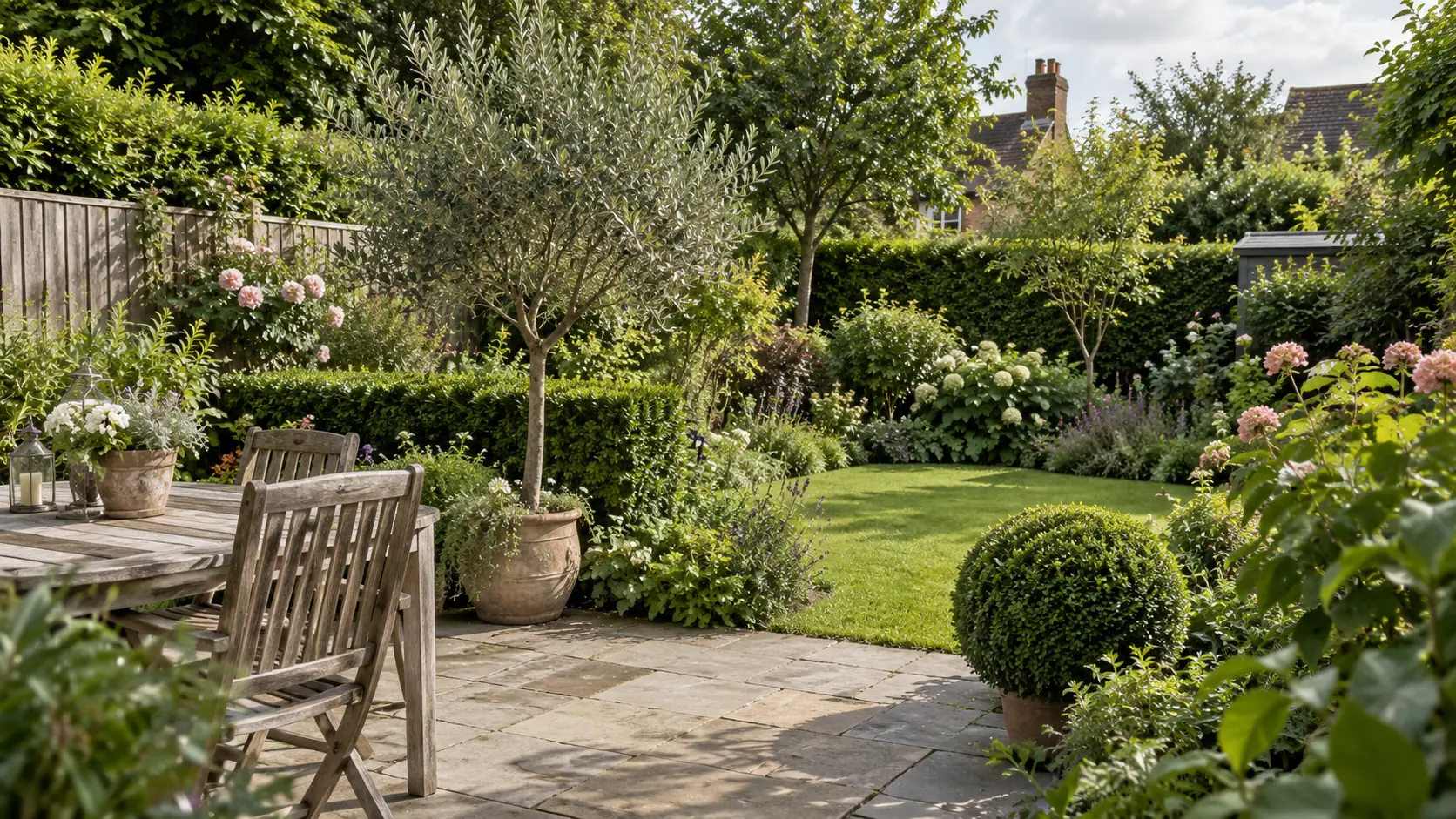
Containers are a different matter. A potted olive tree has only the soil inside its pot to draw on, and that soil can dry quickly in warm or windy weather. When watering olive trees in pots, feel below the surface, water thoroughly when the compost needs it, and make sure excess water can drain away. Do not leave the pot standing in water.
Olive trees (Olea europaea) need particular care during a wet UK winter. Their roots should not remain in waterlogged compost just because watering is part of a summer routine. Check the pot before adding water and adjust to the conditions.
| Season | What to watch |
|---|---|
| Lente | New planting can dry out during sunny or windy spells, even when the air feels cool. Check root balls rather than relying on occasional showers. |
| Summer | Heat and longer dry spells increase demand, especially for new planting and containers. Check more often, but water according to soil moisture. |
| Autumn | Continue monitoring recent planting if the weather stays dry. Reduce watering as conditions cool and the soil remains moist for longer. |
| Winter | Rain may be sufficient for many in-ground plants. Check containers and plants sheltered from rain, while avoiding waterlogged soil and compost. |
This is a guide to what to check, not a calendar telling you to water on particular days. A wet summer week and a dry, windy spring week call for different decisions.
Getting water to the roots matters more than briefly wetting every leaf or the top of the soil. A few simple habits help:
Deep watering does not mean adding water regardless of drainage. If the soil remains wet, wait and check again later. Roots need air as well as moisture.
The most common mistake is treating every plant the same. A newly planted tree, an established Laurel hedge and an olive in a pot have different root systems and different access to water.
Other easy mistakes include watering only the surface, assuming a light shower has soaked a large root ball, or repeatedly adding water to a plant that is wilting because its soil is already waterlogged. Leaving a newly planted hedge unchecked through a dry spell can cause problems too—even if the plants were watered well on planting day.
When in doubt, check the soil near the roots. It is a better starting point than either a rigid timetable or a quick glance at the leaves.
Early morning is generally the best routine time. Cooler conditions give water a better chance to soak into the soil before evaporation increases. If a plant is already drying out, water it when you notice rather than waiting for morning.
Morning has a slight practical advantage, but evening watering is also useful. In the evening, aim water at the soil so leaves are not routinely left wet overnight.
Yes. Midday watering can be less efficient because of evaporation, but it is better to water a dry, stressed plant than to leave it without water until evening. Direct the water to the root area.
Check the soil and root balls regularly during the first growing season and water when they are becoming dry. The interval will vary with rainfall, plant size, soil, drainage and exposure; one weekly rule will not suit every hedge.
Sometimes, but do not assume so after a short shower. Check below the surface and around the root ball. Rain may wet the topsoil without reaching enough of the roots, especially beside a wall or beneath dense foliage.
Monitor them through at least their first growing season, and continue to check during later dry spells while they establish. Large specimens may need attention for longer. Let root growth, weather and soil moisture guide you rather than stopping on a fixed date.
Yes. A pot that remains waterlogged can cause root problems. Water when the compost needs it, ensure the container drains freely, and reduce watering when cooler, wetter weather slows drying.
Choose early morning for routine watering, but let the soil—not the clock—make the final decision. Check around the roots, give newly planted hedges and trees particular attention, and adjust for rain, heat and drainage. A slow soak when it is needed is more useful than watering automatically on the same day every week.